
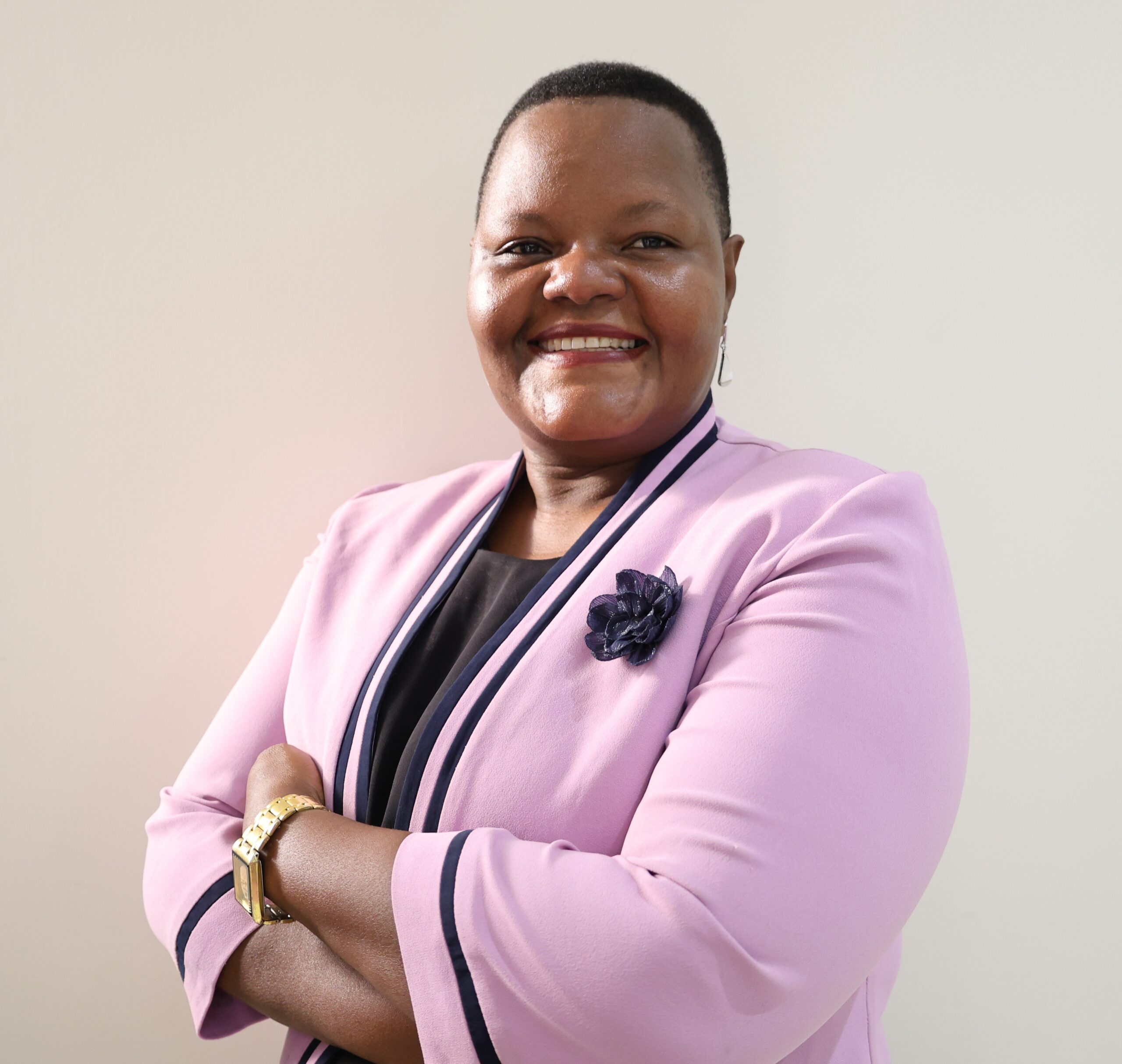
By Judith Nakalembe
For many survivors of sexual violence in rural Uganda, the journey to justice is often obstructed not only by the trauma of the violation itself, but also by gaps in the systems meant to support them. One of the most significant challenges is the limited availability of forensic services, particularly the collection and testing of sexual assault swabs. These services are critical to gathering scientific evidence that can strengthen investigations and prosecutions.
The absence of accessible forensic services in many rural districts can weaken cases that might otherwise result in successful prosecutions. When crucial evidence cannot be collected, preserved or analysed within the required timeframe, investigations may be left without the scientific evidence needed to corroborate a survivor’s account or connect a suspect to an offence.
A case involving a 14-year-old girl from Mayuge District illustrates the challenges faced by survivors in rural communities. The girl was defiled while on her way to school. Although she could not identify the perpetrator by sight, she was able to remember his voice. Importantly, semen was found on her clothing, potentially providing valuable forensic evidence to support the case.
The suspect was arrested, giving the survivor and her family hope that justice would be achieved. However, the investigation faced a major obstacle: the need to conduct a sexual assault swab test to obtain corroborative forensic evidence. The police were informed that the required testing could only be conducted at the Wandegeya laboratory in Kampala, despite the offence having occurred in Mayuge District.
This requirement created additional barriers within the justice process. Transporting a police officer and evidence to Kampala requires financial resources that many rural police stations do not have. For survivors and their families, many of whom live in economically vulnerable communities, meeting these costs can be impossible.
As a result, some families eventually withdraw from pursuing cases, not because they do not want justice, but because the process becomes too expensive, prolonged and emotionally exhausting. When cases are abandoned for these reasons, perpetrators of sexual violence may escape accountability, while survivors’ confidence in the justice system is further undermined.
The challenge also affects police officers responsible for investigating sexual offences. Even where investigators are committed to pursuing cases, the lack of nearby forensic facilities limits their ability to build strong cases. Delays in accessing evidence collection and testing services can compromise investigations and reduce the likelihood of successful prosecution.
Civil society organisations have played an important role in addressing some of these barriers. Organisations such as the Center for Health, Human Rights and Development (CEHURD) have supported survivors to reduce some of the costs associated with pursuing justice. However, such interventions cannot reach every survivor or cover every district across the country. Access to justice should not depend on whether a civil society organisation is available to provide financial assistance.
The responsibility to provide accessible and effective forensic services rests with the government. Sexual violence occurs in both urban and rural communities, and survivors should not face unequal chances of obtaining justice simply because of where they live.
The government must take urgent steps to decentralise sexual violence evidence collection services and ensure that survivors can access timely forensic support closer to home. Health Centre III and Health Centre IV facilities should be appropriately equipped and supported to collect, preserve and refer evidence in accordance with professional standards. Health workers, police officers, prosecutors and other justice actors should also receive regular, specialised training in survivor-centred care and evidence handling.
Improving access to forensic services at local level would reduce delays, lower costs for survivors and investigators, and increase the chances of successful prosecution. It would also help prevent the loss or deterioration of time-sensitive evidence and demonstrate a commitment to ensuring that every survivor has equal protection under the law.
Justice should not depend on a family member or police officer being able to travel hundreds of kilometres to access a service that is essential to proving a crime. A survivor in Mayuge deserves the same opportunity for justice as a survivor in Kampala or anywhere else in Uganda.
The government must act to ensure that sexual violence evidence collection services are accessible throughout Uganda. Without these reforms, many survivors will continue to face a second injustice: the failure of the very systems meant to protect them and hold perpetrators accountable.
The author is a lawyer at the Center for Health, Human Rights and Development (CEHURD).