THE WORLD NO TOBACCO DAY CELEBRATIONS AND HEART DISEASES!!!!!

By Specioza Avako

In Uganda today, Tobacco use has remained a significant public health challenge and a leading cause of non-communicable diseases including heart diseases and premature deaths. Annually around 6 million people die from diseases caused by tobacco use, including about 600,000 from second-hand smoke exposure. In 2013, approximately 1.3 million (7.9%) Ugandans used tobacco products. The prevalence of cigarette smoking among adults age 15 and over in 2013 was 5.8% (960,000), the adults were 10.3% of men and 1.8% of women. Smoking from combustible tobacco products contains more than 7,000 chemicals and has not only led to cancers but also cardiovascular (heart) diseases including; stroke, heart failure, aneurysm and coronary heart diseases which have become real tragedy in Uganda.

The World Health Organisation has marked 31 May of every year as the World No Tobacco Day (WNTD), highlighting the health and other risks associated with tobacco use, and advocating for effective policies to reduce tobacco consumption. The 2018 World No Tobacco Day theme was β€œTobacco and Heart Disease”. For Uganda, the World No Tobacco Day 2018 celebration was an opportunity for addressing the tobacco epidemic and its impact on public health, particularly on heart diseases that cause the death and suffering of people. It was also an opportunity for Uganda to focus on the Sustainable Development Goals to ensure healthy lives for all and encourage countries to reduce mortality from non-communicable diseases (NCDs).

This year, the Ministry of Health (MoH), the World Health Organisation (WHO), and the Uganda Tobacco Control Advocates including the Center for Health, Human Rights and Development (CEHURD) organized and participated in week long activities which started on 25th May 2018 to commemorate the World No Tobacco day. Some of these activities included a press briefing at the Uganda Heart Institute on the 29th May 2018 and display of ICT materials on Tobacco and cardiovascular diseases (CVD). These activities were crowned by the event on 31st May 2018 which begun with a march from Kanyanya a suburb in the outskirts of Kampala to an open field in Mpererwe market. The colorful procession attracted attention of drivers, residents and pedestrians on the busy Gayaza road as the tobacco control advocates displayed placards and banners on tobacco and heart related diseases. The tobacco control advocates also cleaned the market as a way of giving back to the community.

CEHURD also had a legal aid clinic where lawyers explained the law, roles and responsibilities of different stakeholders in creating a smoke free environment to community members. This legal aid clinic provided an opportunity to explain the nexus between the law and non-communicable diseases and particularly heart diseases. Furthermore it was an avenue of receiving feedback on the practicability, compliance and the implementation of the newly enacted Tobacco Control Act, 2015.
Advancing Access to HIV related Health Services for AGYW – Community Score Card

By Serunjogi Francis.

According to the National HIV and AIDS Strategic Plan 2015/2016 – 2019/2020), women and girls in Uganda, constitute the largest proportion of Persons Living with HIV PLHIV – 8.3% compared to men at 6.1% (UAIS 2011). On the other hand, recent UNAIDS data shows that each week in Uganda, 570 young women aged 15-24 get infected with HIV.

During interventions with Adolescent Girls and Young Women (AGYW) in Mukono and Gomba, CEHURD has realized that there are still patent gaps in HIV response and this is attributed to risks encountered by this age group which are linked to social, economic, legal as well as other factors.

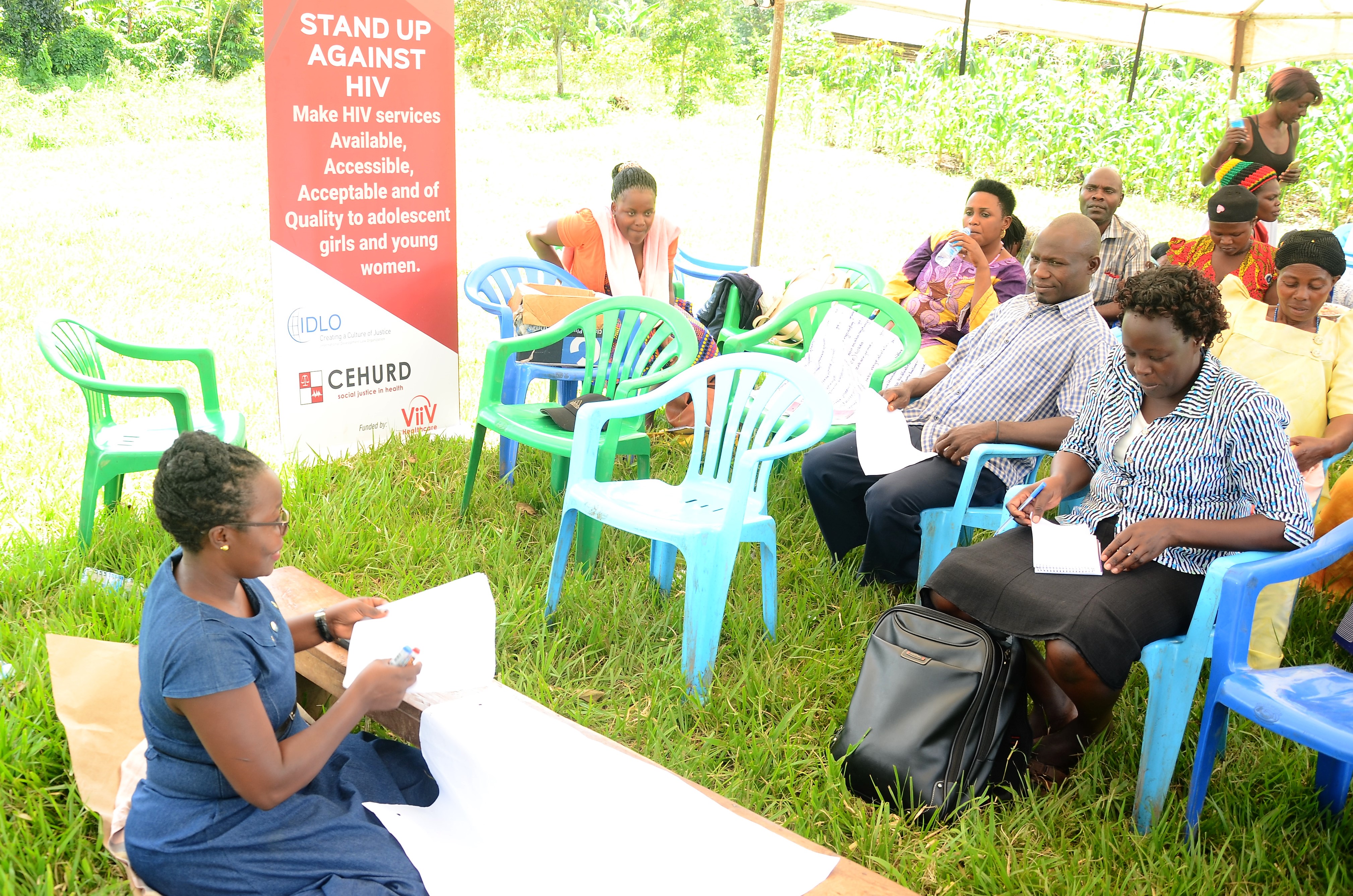
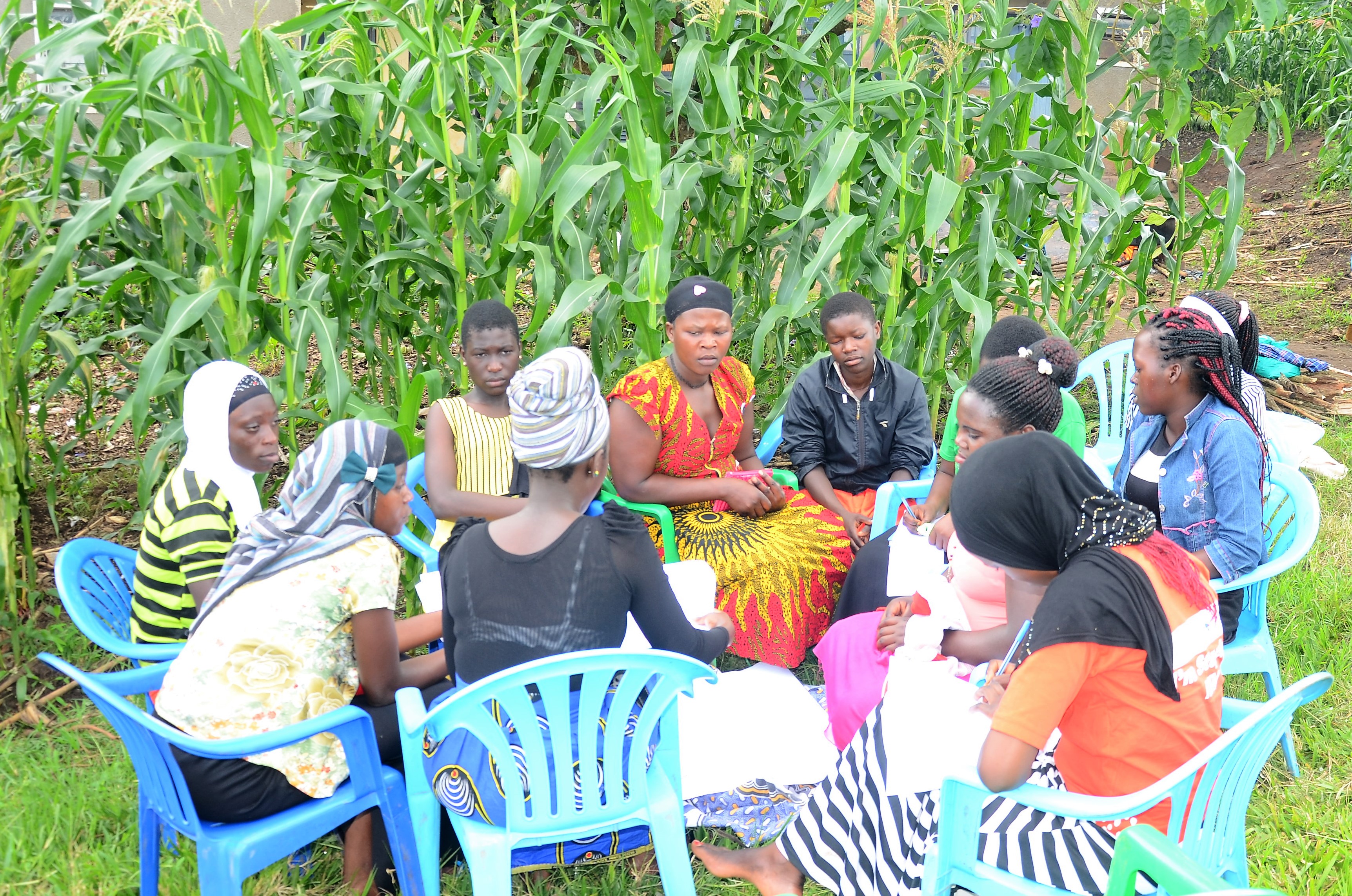
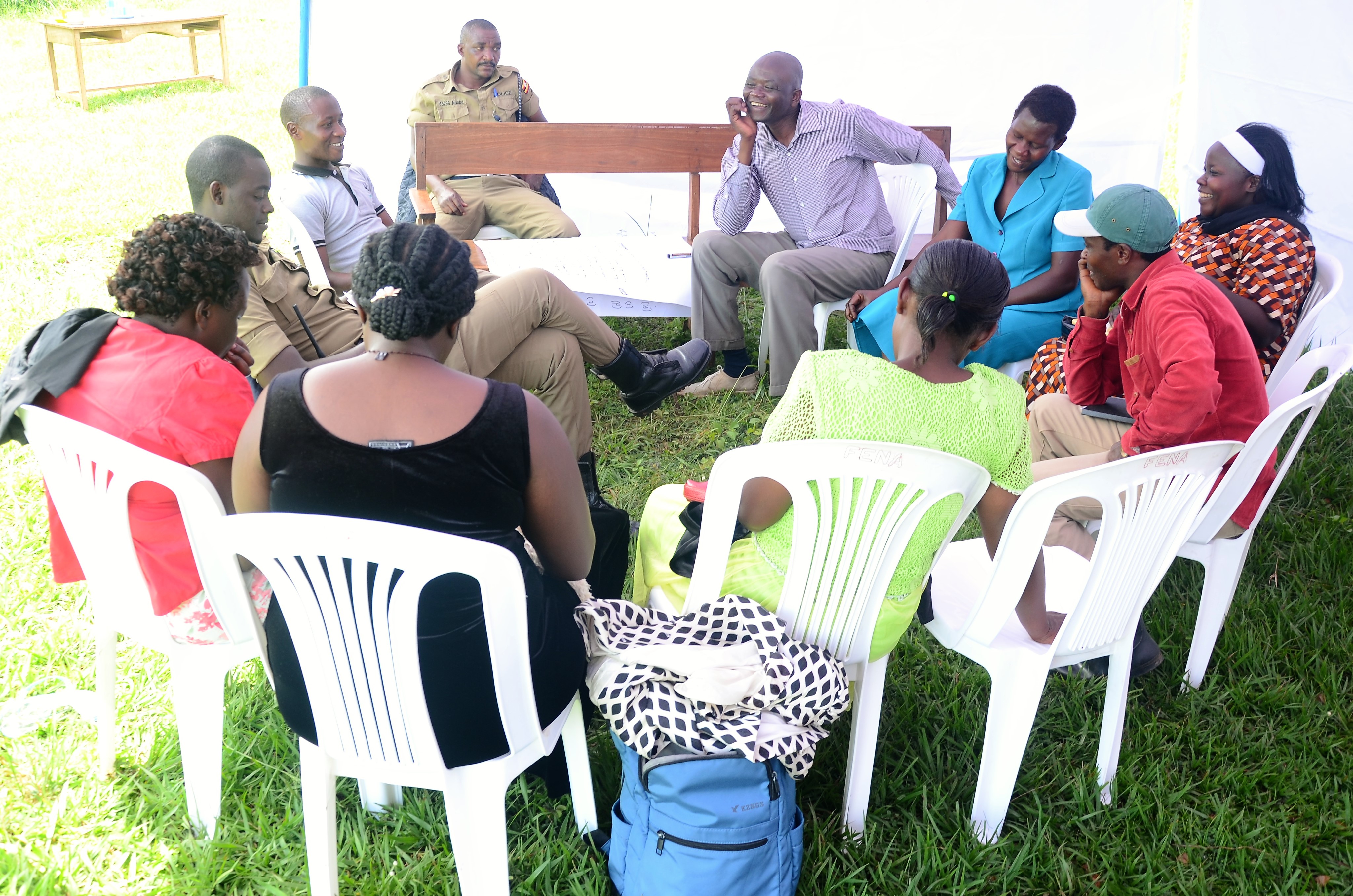
As an intervention, CEHURD with technical support from International Development Law Organization (IDLO) and ViiV Health Care under the β€œIntegrating Legal Empowerment and social accountability for Quality HIV Health services for AGYW” project are applying and implementing a Community Score Card in the districts of Mukono and Gomba with different community stakeholders including Community Health Advocates who are AGYW, Justice Actors, Members of community village committees such as Health Unit Management Committees, health services providers as well as Community Based Organization actors.

This process has enabled CEHURD to enhance capacities of different stake holders to utilize rights based local engagement and feedback processes for improving HIV related health service delivery as well as addressing Gender based violence among AGYW. This has been achieved through supporting these different stake holders including AGYW themselves to develop action plans which will be followed to in a process of improving access to HIV services as well as addressing Gender Based Violence. CEHURD has also managed to increase community knowledge and skills in advancing access to HIV related services for, and rights of, AGYW.

During this process, AGWY have been given an opportunity to air out their concerns to both Health and Justice Service providers including Health workers, community village health committees, police officers and local leaders that MUST be addressed if access to HIV related services for this age group MUST be improved as well as Sexual and Gender based violence addressed.

AGYW requested CEHURD to convene more community dialogues with stakeholders such as District Officials, District Leaders, Members of Parliament and Parents as well as Caregivers which platform will further give them an opportunity to air out their grievances that deter them from accessing HIV related services including addressing Sexual and Gender based violence.

CEHURD replied in affirmative to this request and will be conducting community dialogues which will bring together more stakeholders and AGYW hence discussing and coming to a consensus on how to further improve access to quality HIV services for AGYW as well as addressing Sexual and Gender based violence.