HER MIND IS HER HEALTH GOLDMINE: Protecting Women’s Mental Health in UgandaΒ 

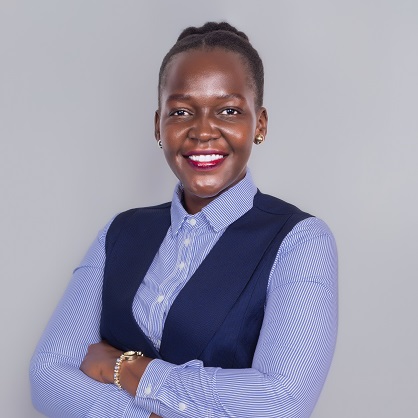
By Sharon AberΒ 

As Uganda commemorated World Mental Health Day on 10 October 2026, the theme, β€œLived experiences heard: real voices, real change,” called for greater attention to the voices of people whose experiences of mental health are often overlooked or misunderstood. It challenged us to listen, learn from their experiences and ensure their perspectives inform the policies, services and decisions that affect their lives. For women and girls in Uganda, this means recognising the emotional toll of violence, stigma, reproductive loss and social injustice, and addressing the circumstances that shape their mental well-being. 

The two-decade conflict between the Lord’s Resistance Army and the Ugandan government left many communities in northern Uganda grappling with lasting psychological and social effects. However, mental health challenges in the region are sometimes attributed solely to the trauma of war, overlooking other personal and social circumstances that may contribute to emotional distress. While the effects of conflict remain significant, understanding mental health requires recognising the different experiences and challenges that shape each person’s well-being.Β 

In many communities, mental health remains poorly understood, and access to appropriate care is often limited. In my village of Obolokome, in Koro Sub-county, Gulu District, a woman experiencing mental health difficulties may seek help at a health centre only to find that it lacks the trained personnel and resources to meet her needs. Cultural perceptions can further complicate the situation. Among the Acholi, the term β€œLapoya” is sometimes used to describe a person perceived to have a mental illness, often associated with madness and the belief that the condition is incurable. Such perceptions reinforce stigma and may discourage people from seeking the care and support they need. 

Consider a woman in Kamuli who has lost a pregnancy. In an attempt to comfort her, those around her may say, β€œDo not worry; your womb will conceive again.” Although well-intentioned, such words can minimise the grief she is experiencing by focusing on the possibility of another pregnancy rather than acknowledging her loss. Pregnancy loss can bring profound grief, trauma, fear and guilt, leaving a woman in need of understanding and emotional support. Rather than rushing to reassure her that she can conceive again, those around her can offer a listening ear, acknowledge her pain and allow her the space to grieve without judgement. 

In Yumbe, a fourteen-year-old girl who becomes pregnant may drop out of school after being labelled a prostitute. If she considers terminating the pregnancy, she may also face fear of criminal prosecution and social rejection. Meanwhile, the circumstances surrounding her pregnancy and the responsibility of the person who defiled her may receive little attention. The stigma and uncertainty she faces can compound her distress at a time when she needs protection, understanding and support. 

In Arua, a widow may experience profound emotional distress as she grieves the loss of her husband, faces the seizure of her land by his relatives and struggles to obtain justice. Her reactions to the loss may be misunderstood or judged without consideration of the grief, insecurity and uncertainty she faces, compounded by the strain of prolonged legal proceedings. These experiences show how social injustice can affect women’s mental well-being, particularly when their suffering is dismissed rather than understood. 

These experiences illustrate a wider problem. Women’s mental health is often discussed without sufficient attention to the social conditions in which women live. Violence, discrimination, reproductive loss, economic insecurity, stigma and denial of justice can undermine emotional well-being. Yet, when women express distress, their experiences are sometimes dismissed as weakness, disobedience or madness rather than recognised as reasons to offer compassionate support and, where necessary, professional care. 

Taking lived experiences seriously means translating them into meaningful change. People who have experienced mental health conditions hold valuable insights that professional training and research alone cannot provide. Their voices must therefore inform decisions about mental health care, policies and services. For women in Uganda, this means going beyond inviting them to share their stories to ensuring their experiences shape the responses they receive, the services available to them and the policies that affect their well-being.Β 

The World Health Organization estimates that more than one billion people globally live with mental health conditions, highlighting the need for accessible, rights-based and person-centred care. In Uganda, however, access to mental health support often depends on where a person lives, the availability of trained health workers and services, the attitudes of those around them and their ability to afford care. For many women, these barriers can make seeking help difficult, leaving their mental health needs unaddressed. 

Reports of suicide and psychological distress among young people further emphasis the urgency of addressing mental health. Although suicide has multiple and complex causes, these reports point to the need for accessible mental health services, early identification of distress, compassionate support and effective referral systems. They also highlight the importance of addressing the circumstances that can increase vulnerability, including violence, social isolation, economic hardship and discrimination. 

A gender-responsive approach to mental health must recognise the psychological consequences of sexual and gender-based violence (SGBV). Survivors may experience anxiety, depression, post-traumatic stress symptoms and other forms of psychological distress. CEHURD’s analysis of SGBV has also highlighted mental health challenges among survivors, including an increased risk of suicidal thoughts and attempts. The effects of violence often extend beyond physical injuries, disrupting survivors’ relationships, education, livelihoods, sense of safety and ability to participate fully in community life. 

Other experiences that disproportionately affect women and girls can also take a toll on their mental well-being. The loss of a child or partner, miscarriage, infertility, teenage pregnancy, abandonment, divorce, unemployment and dispossession can cause significant emotional distress. Although these experiences do not necessarily indicate mental illness, they may leave women needing compassion, psychosocial support or professional mental health care. Recognising distress for what it is, rather than dismissing it as madness, is essential to ensuring that women receive appropriate and dignified support. 

The law also shapes how people experiencing mental health conditions are treated. Historical provisions in Ugandan legislation have used derogatory terms such as β€œidiots” and β€œimbeciles” to refer to people with intellectual or mental disabilities. Such language reflects a legal and social environment in which people can be reduced to a diagnosis or disability rather than recognised as individuals entitled to dignity, equality and protection.Β 

CEHURD challenged this problem through Constitutional Petition No. 64 of 2011, contesting provisions and practices that discriminated against people with mental disabilities. The litigation formed part of the wider effort to ensure that mental disability is not used to diminish a person’s legal status, dignity or enjoyment of fundamental rights. 

CEHURD also challenged the use of seclusion rooms at Butabika National Referral Mental Hospital, raising concerns about patients’ rights to dignity, liberty, privacy and freedom from cruel, inhuman or degrading treatment. Although the litigation did not result in the court granting the relief CEHURD sought, the case remains part of the wider struggle to ensure that mental health care respects human rights. Treatment should not require people to surrender their dignity or be subjected to practices that fail to respect their rights. 

Another significant example is CEHURD and Nakayima Fatumah v. Executive Director, Mulago National Referral Hospital and Attorney General, Miscellaneous Cause No. 327 of 2016. The case arose from Mulago National Referral Hospital’s failure to provide Fatumah with her newborn baby or adequate information about the baby’s whereabouts. After more than seven years of litigation, the High Court ruled in February 2024 that her right to health had been violated and awarded her UGX 50 million in compensation for the psychological trauma she suffered and its impact on her mental health and well-being. 

The significance of the case extends beyond the hospital’s failure to account for a newborn. It demonstrates that a health rights violation can inflict profound psychological harm and that the law can recognise this harm as part of the injustice suffered by an affected person. The ruling reinforces the importance of accountability, access to information and appropriate redress when failures within the health system cause suffering. 

Together, these cases illustrate why mental health cannot be treated solely as a clinical issue. It is also a matter of human rights, dignity and accountability. When people experience discrimination, degrading treatment or violations of their health rights, the response must address both the underlying violation and its consequences for their well-being. 

CEHURD’s work on SGBV further demonstrates the importance of integrating legal assistance with psychosocial support. The organisation has documented barriers survivors face in obtaining medical, legal and psychosocial assistance, including the cost of medical examinations, inadequate survivor-centred services and difficulties accessing timely care. These barriers can discourage survivors from seeking help and leave them without the support they need. A survivor-centred response therefore requires coordinated services that address immediate health needs, protect dignity, support access to justice and reduce the risk of further harm.Β 

CEHURD’s broader work on women’s health also recognises that physical and mental well-being are interconnected. In 2026, the organisation advanced an initiative titled β€œAddressing Persistent Challenges and Barriers for Women’s Physical and Mental Health in Six Districts in Uganda Using Tested Legal, Community Empowerment, and Research Approaches (2026–2028).” The initiative covers Kamuli, Mayuge, Mukono, Buikwe, Arua and Yumbe, where women and girls experience different but intersecting barriers to health services and justice. 

The initiative links legal empowerment, community participation, research and accountability. Its focus includes women and girls’ access to justice, physical and mental health services, referral systems and opportunities to participate in decisions affecting their lives. Rather than treating mental health as an isolated concern, the approach recognises the importance of examining the conditions that shape women’s experiences and the institutional barriers that prevent them from obtaining appropriate support. 

This direction is consistent with CEHURD’s wider work on social justice in health. Through legal aid, strategic litigation, community empowerment and advocacy, the organisation works to challenge violations of health rights and improve the responsiveness of health and justice systems. Its work on SGBV also emphasises safe spaces for survivors to be heard, legal assistance and psychosocial support. These interventions reflect a fundamental principle: women should not have to choose between seeking justice and receiving the care they need to recover from violence. 

Nevertheless, important gaps remain in Uganda’s mental health response. The Mental Health Act, 2018, establishes a legal framework for mental health care and the protection of patients’ rights. Yet, legislation alone cannot guarantee that a woman in a rural community will find a qualified mental health professional, obtain counselling or receive a referral when she needs one. Effective implementation requires adequate financing, trained personnel, accessible services and clear mechanisms for protecting the rights of people receiving care. 

Concerns about inadequate mental health financing also persist. Mental health experts have repeatedly called for greater investment in services, personnel and community-based care. When resources are insufficient, facilities struggle to provide appropriate support, families carry responsibilities they are not equipped to manage, and people with mental health conditions risk being neglected or subjected to inappropriate treatment. 

The consequences are particularly serious for women in underserved communities. A woman who lives far from a referral hospital may be unable to afford transport. Another may avoid seeking help because she fears being labelled mentally ill. A survivor of violence may need counselling but lack access to a provider trained to respond to trauma. A girl who has experienced defilement may require protection, medical care, psychosocial support and legal assistance, yet find that these services are fragmented or difficult to access. 

The story of Hanifa Nakiryowa, an acid attack survivor who was also attacked alongside her daughter, illustrates the importance of looking beyond physical injuries. Public accounts of her case described her prolonged struggle for justice after the prosecution was reportedly discontinued in 2014 following repeated failures of prosecution witnesses to appear. Her continued search for answers raises important questions about the experiences of survivors who live for years with uncertainty and unresolved injustice. 

Her story invites us to consider not only whether survivors obtain justice, but also whether they receive the support needed to address the psychological consequences of violence. Physical injuries may be visible, but the emotional effects of trauma, uncertainty and prolonged legal processes are often less apparent. The absence of visible injuries does not mean that a person has recovered. 

Survivors need systems that recognise the full impact of violence. That means access to appropriate medical treatment, psychosocial support, legal assistance and protection from further harm. It also means justice institutions that handle cases efficiently, communicate with survivors and witnesses, and reduce the risk of further trauma during legal proceedings. Justice and mental health support are complementary parts of a rights-based response. 

Education and community-based support also have important roles to play. Efforts to integrate mental well-being and psychosocial support into educational settings offer opportunities to identify distress earlier and connect learners to appropriate assistance. However, schools need trained personnel, practical referral arrangements and safeguards that protect learners’ confidentiality and dignity. A policy can make a difference only when the people expected to implement it have the resources and support to do so. 

At the community level, local leaders, health workers and community advocates can help challenge stigma, recognise when someone needs assistance and connect people to appropriate services. They can also help communities understand that mental health conditions are not evidence of moral failure, spiritual weakness or a lack of resilience. Such efforts must complement, rather than replace, professional mental health care. 

District hospitals and lower-level health facilities need adequate personnel and stronger referral systems. Where feasible and supported by appropriate supervision, training and referral arrangements, health workers at Health Centre IIIs and IVs can help identify mental health concerns and connect patients to further care. Community-based services can also reduce the burden of travelling long distances to specialised facilities. Mental health care should not be a privilege determined by a person’s income or place of residence.Β 

The justice system requires similar attention. Cases should not collapse because witnesses cannot afford transport, survivors lack legal assistance or institutions fail to protect those seeking redress. Greater investment in legal aid, survivor protection and psychosocial support can help make justice more accessible and reduce the additional distress caused by navigating complex legal processes without assistance. 

The experiences of girls facing teenage pregnancy and the consequences of sexual violence also demand a more compassionate and rights-based response. When a girl who has experienced defilement faces stigma, exclusion from school or fear of prosecution while her safety and the conduct of the perpetrator receive inadequate attention, the response risks compounding her vulnerability. Protecting girls requires attention to their rights, health, safety, education and emotional well-being, alongside accountability for sexual violence. 

As CEHURD continues its work through legal aid, community engagement, research and advocacy, listening to women’s experiences remains central. A woman who reports violence needs to be taken seriously. A woman who experiences pregnancy loss needs compassion rather than dismissive reassurance. A girl who becomes pregnant following sexual abuse needs protection and support rather than stigma. A widow facing dispossession needs access to justice and recognition of the emotional consequences of her experience. In each situation, meaningful support begins by recognising the person behind the problem. 

World Mental Health Day must be more than an annual reminder. Its call to hear lived experiences demands sustained action. Government must invest in accessible mental health services, health facilities must provide respectful and appropriate care, justice institutions must protect survivors and pursue accountability, and communities must challenge stigma and harmful social norms. People with lived experience must also be meaningfully involved in shaping the services and policies intended to support them. 

A woman’s mind is not separate from her health, her rights or her dignity. Her mental well-being is shaped by whether she can live free from violence, make decisions about her body, obtain health care, pursue justice and participate in her community without discrimination. Protecting it requires more than telling her to be strong. It requires institutions that listen, services that respond and a society that recognises her suffering without defining her by it. 

Her mind is her health goldmine. Protecting it requires us to listen to her lived experience, respect her dignity and turn our commitments into meaningful action. 

The Writer is a Lawyer at the Center for Health, Human Rights Development (CEHURD).

CALL FOR APPLICATION: Retainer Psychosocial Support Services for CEHURD Staff and Clients

Deadline: 26th October 2026

The Center for Health, Human Rights and Development (CEHURD) is a legal and human rights organisation advancing social justice and human rights in health. Our legal aid clinic supports people whose health rights have been violated, and this work often exposes our staff, case handlers, volunteers and clients to distressing experiences.

CEHURD is seeking a suitably qualified psychosocial professional or firm, on a 12-month retainer, to provide confidential, rights-based and trauma-informed psychosocial support.

Individual professionals or psychosocial agencies with an advanced qualification in psychology, counselling, social work or a related field, at least 5 years of relevant experience, and familiarity with Uganda’s mental-health and social protection landscape are encourage to apply.

Email your application to support@cehurd.org with the subject line β€œApplication: Psychosocial Support for CEHURD” by 26th October 2026. Only shortlisted applicants will be contacted.

Download the full Terms of Reference for the complete scope of work, deliverables, qualifications and application requirements.

WHISPERS OF DESPAIR: Behind the Rising Suicide Rates Among Ugandan Youth and Teenagers

By Khalid Kizito Ssekabembe, Law Student at Makerere University and CEHURD Intern

I write this article in deep pain, carrying a heavy conviction that far too many young people in our country are suffering and dying in silence. Today, Uganda has increasingly become a society where young people who are struggling with their mental health may face judgement rather than compassion. When a young person gathers the courage to tell their parents, friends, teachers, religious leaders, or society that they are suicidal or struggling with their mental health, they may be met with a wall of judgement, religious or cultural condemnation, or dismissal.

Even in an era where counselling and mental health awareness are increasingly discussed, young people continue to experience severe psychological distress. Our collective response remains inadequate, and in some cases, society appears to prioritise punishment over compassion. This reality is also reflected in our laws, where attempting to take one’s own life remains a criminal offence under the Penal Code. If we do not wake up as a nation and intentionally work to protect and support young people, we risk losing an entire generation to a crisis that can no longer be ignored.

As a young man who has recently finished university, I have witnessed firsthand how pervasive this crisis can feel among young people. I am not suggesting that every young person experiences suicidal thoughts, but I believe that the pressure surrounding today’s youth creates an environment in which many struggle silently. We live in a high-pressure environment marked by academic stress, limited employment opportunities, financial difficulties, relationship challenges, and intense family expectations. Yet, mental health remains severely neglected.

Mental health is often discussed casually, but meaningful attention, resources, and sustained interventions have not always followed those conversations. Too many young people are expected to endure their struggles quietly until the situation becomes critical.

Suicide is the third leading cause of death among young people aged 15–29 globally, with about 700,000 people reportedly dying by suicide (World Health Organization). In Uganda, recent statistics indicate that, in 2024 alone, 190 suicide attempts were recorded, 59 resulted in deaths, and 18 were reported as attempted, with young people disproportionately affected.

Definition of Suicide

Suicide is death caused by self-directed injurious behaviour with the intent to die as a result of the behaviour. Suicide is a global health concern, with 79% of annual cases occurring in low- and middle-income countries.

However, suicide remains illegal in many African countries, including Uganda. The criminalisation of suicide attempts can create additional fear and stigma around seeking help. A person experiencing suicidal thoughts should be encouraged to seek immediate support rather than be made to fear punishment or condemnation.

Although suicide rates in Uganda decreased from 15.91 per 100,000 population in 2000 to 9.9 per 100,000 in 2017, the rates remained highest among young people, with approximately 700,000 university students. The university population represents a particularly important group to consider.

University students transition from adolescence to adulthood, a stage associated with numerous physical, psychological, social, and spiritual stressors. For some, these pressures can become overwhelming and contribute to serious mental health challenges. Previous studies have reported high numbers of suicides among university students.

If the government and society were to pay closer attention to these critical triggers and provide meaningful interventions, we could significantly reduce mental health crises and potentially prevent deaths. Some of the most pressing and often overlooked factors include the following:

1. Academic pressure, bullying, and institutional neglect

The tragic reality of youth suicide in Uganda is linked to academic pressure, school bullying, and institutional neglect. These issues represent some of the most pressing challenges facing young people today. Far too often, children are placed in environments where their worth is measured almost entirely by academic performance. When parents condition affection or approval on academic performance and teachers use discouraging or humiliating language, schools cease to feel like places of learning and instead become environments of psychological distress.

For example, the Daily Monitor reported a story involving a Senior Four student at Kagamba SS in Ntungamo District who took his own life after reportedly scoring poor grades in his O-Level examinations. This tragic outcome occurred despite his extensive efforts to study in an attempt to perform well.

Studies have found that university students commonly experience suicidal behaviour towards the end of their academic programmes. An investigation published by Cambridge University Press on 30 April 2021 also found that only four students took their own lives during their first year. This may be attributable to the compounding pressure students experience as they progress through university. Among students, academic disappointment may therefore be one of the significant risk factors associated with suicidal distress.

Many suicide deaths occur in hostels, rental accommodation, or the homes where students live. This highlights the importance of ensuring that students have safe environments and people with whom they can communicate. Communication has also changed with advances in technology. While written suicide notes were historically one way individuals communicated their distress, social media posts, private messages, and other forms of digital communication have increasingly become part of how young people express emotional pain.

2. Breakups and romantic relationship challenges

A number of variables related to adolescent romantic relationships have been associated with the risk of suicide attempts or deaths among adolescents. These include incongruent partnership role identities, negative sexual experiences and stressful events, breakups, and relationship disputes. Nevertheless, the extent to which romantic relationship issues contribute to suicide risk remains difficult to establish.

For example, one study found that 76% of suicide attempts among adolescents who presented at an inner-city emergency department were related to relationship disputes, including conflicts involving peers, family members, and romantic partners (National Institutes of Health).

According to the Daily Monitor, Reagan Opito, a Senior Three student at Aboke High School in Kole District, reportedly died by suicide following an alleged disappointment. The deceased reportedly left a suicide note indicating that he had decided to end his life because his β€œlongtime girlfriend had terminated their relationship.”

We have also seen very young men who have invested heavily in romantic partners, sometimes paying their partners’ tuition, entertainment expenses, and other costs. When such relationships end, some experience intense emotional devastation. The same can happen to young girls who experience painful relationship disappointments, particularly when they feel that they have compromised their personal boundaries in a relationship.

3. Family disputes and divorce

Family disputes and divorce frequently destabilise a teenager’s home environment, sometimes stripping away their core sense of emotional security. This instability can trigger intense psychological distress, manifesting as severe depression and persistent anxiety.

According to research by Crown Adolescent Health, divorce can be a pivotal moment in a family’s life, often reshuffling relationships and daily routines. Studies have shown that teenagers from divorced families are at greater risk of developing mental health issues such as anxiety and depression.

What matters most is that children and teenagers should not be left to carry the emotional consequences of family conflict alone. Parents may separate, but their responsibility to protect and support their children must remain.

4. Peer-to-peer bullying

The mechanisms currently in place to protect children from peer-to-peer bullying are profoundly broken. Countless students experience the isolating trauma of reporting bullying to school administrations, only to witness no action being taken.

I can speak strongly about this as a victim. I once attended a school where I also faced serious bullying. I tried to report what was happening, but nothing was done. That experience taught me how devastating institutional silence can be.

When a student reports bullying and receives no meaningful protection, they begin to believe that they have no voice and that their suffering does not matter. When these students finally seek professional help, they are too often met by school counsellors who adopt a judgemental posture rather than an empathetic one. Judgemental counselling invalidates a child’s pain, breaches their trust, and worsens the crisis, effectively closing the last available door to safety.

To address this crisis before more lives are lost, governments must treat youth mental health with the same financial and structural urgency as physical health. Schools, too, must establish effective systems for reporting bullying, protecting victims, and holding perpetrators accountable.

5. Social media, unrealistic expectations, and digital pressure

The digital revolution has transformed Uganda’s social fabric. While technology has created enormous opportunities for communication, education, creativity, and business, it has also exposed young people to cyberbullying and unrealistic lifestyle standards, fuelling unprecedented levels of loneliness, inadequacy, and severe drops in self-esteem.

This psychological crisis is driven by the toxicity of social media and a high rate of compulsive use, as young Ugandans increasingly struggle to live like wealthy socialites. Driven by the desire to achieve affluent, bourgeois lifestyles overnight, many fall into despair when reality fails to match the curated perfection seen online.

6. Digital pressure

In Uganda, this digital pressure has escalated into a public health emergency, manifested in rising reports of TikTokers and content creators involved in suicide cases. The real, unrelenting struggle to maintain numbers, views, and a large following drives vulnerable individuals into extreme mental distress.

This crisis is exacerbated by parental negligence. Many parents give children smartphones without guiding them on what they watch, whom they interact with, and how they should respond to harmful online content. This raises an important question for every parent: Do you know what your child is watching online?

Consequently, societal role models have shifted from accomplished professionals, such as lawyers, to internet socialites. Today, Ugandan children openly declare that they want to become like popular social media personalities and TikTokers, valuing viral fame over academic or professional merit.

Parents and society therefore have a responsibility to teach young people that their value is not determined by followers, likes, views, material possessions, or online recognition.

What must we do?

As I conclude, addressing this systemic crisis requires a coordinated response from both state authorities and the family unit. The government, as the body responsible for the welfare of its citizens, must strengthen mental health services for young people and invest in accessible support programmes. It must consider implementing stronger digital safety policies, age-verification regulations, and nationwide mental health support initiatives tailored to the realities of today’s digital generation.

The decriminalisation of attempted suicide in Uganda, as outlined in the Penal Code Act, should also remain part of the national conversation. Young people experiencing suicidal thoughts should be encouraged to seek help rather than fear punishment.

At the same time, parents must reclaim their role as primary mentors and sources of emotional support while taking time to understand what their children consume online. Schools should become safer spaces where students can report bullying, academic pressure, abuse, and mental health struggles without fear of humiliation.

Religious leaders, teachers, counsellors, health professionals, communities, and young people themselves all have a role to play. Mental health education should not begin only when someone is already in crisis. It should become part of how we educate and raise young people.

Most importantly, we must change the way we respond when someone says, β€œI am not okay.” We should not immediately judge them. We should not dismiss their pain. We should not tell them simply to pray harder, work harder, or be stronger. We should listen. We should take them seriously. We should connect them to appropriate support.

Suicide prevention is not the responsibility of one institution. It is a collective responsibility. We must choose compassion over condemnation, listening over judgment, and prevention over regret. Our young people are worth saving, and the time to act is now.

A version of this article was first published in the Daily Monitor on page 12 on 9 October 2026.

Beyond Recitation: The Art of Persuasion and the Pursuit of Reproductive Justice

Reflections from the 13th CEHURD National Inter-University Constitutional Law Moot Court Competition, 2026

By Nakibuuka Noor Musisi

A courtroom is more than a place where lawyers cite provisions of the law and judges pronounce decisions. It is a space where competing interpretations of rights are tested, facts acquire legal meaning, and the quality of advocacy can determine whether a constitutional promise becomes meaningful in people’s lives.

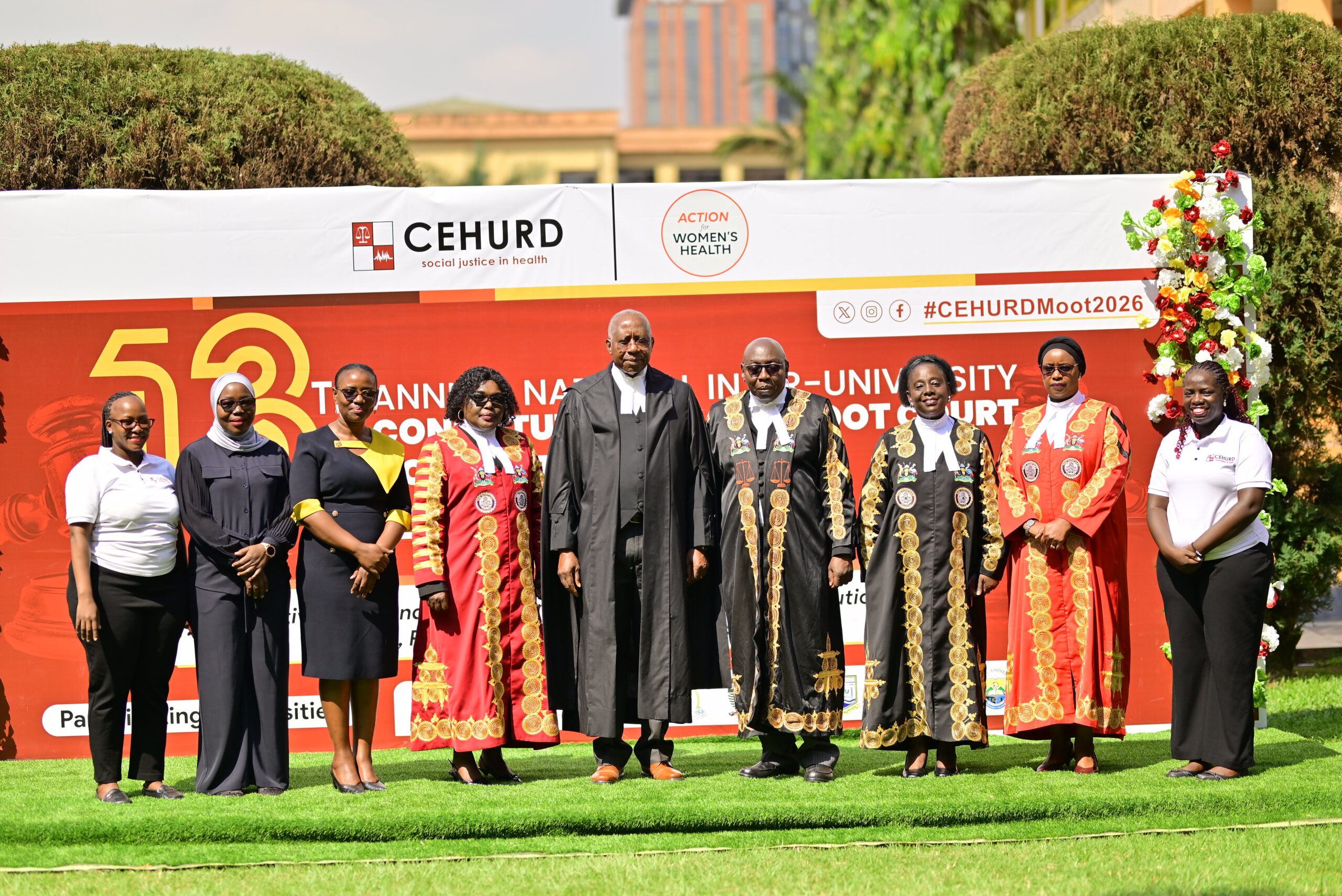
This was one of the central lessons from the 13th CEHURD Annual National Inter-University Constitutional Law Moot Court Competition, held from 24th to 25th September 2026 under the theme β€œReproductive and Gender Justice in Uganda: Navigating Constitutional Rights, Public Interest and Social Values.”

At one level, the moot was a competition among university law students, at another, it was a practical exercise in understanding what it means to use the law as an instrument of justice.

The legal questions placed before the mooters were closely connected to realities that reproductive justice must confront: adolescent access to contraception and health services, emergency healthcare, maternal health, poverty, geographical barriers to healthcare, parental consent, government accountability, public resources, stigma and the consequences of delayed or inadequate care.

These are not merely questions of legal interpretation; they are questions about whether constitutional rights can be meaningfully enjoyed by people whose social and economic circumstances may make access to those rights difficult.

When constitutional rights meet lived realities

Reproductive justice requires us to look beyond whether a right exists on paper and ask whether people can actually enjoy it.

A constitutional provision may recognise equality, dignity, health, life, privacy or freedom from discrimination. Yet for a young person living far from a health facility, without the resources to travel, facing stigma or navigating requirements that may limit access to services, the existence of a constitutional right does not automatically translate into access.

This is where constitutional law becomes particularly important.

The law must grapple with the relationship between individual rights and broader questions of public interest, culture, social values and state responsibility. It must ask difficult questions about autonomy, parental responsibility, access to healthcare, equality and accountability.

The CEHURD moot competition provided students with an opportunity to confront these questions not simply as academic propositions, but as advocates before the bench.

And that is an important distinction. A constitutional rights framework is meaningful only when lawyers can connect legal principles to the realities of the people whose rights are before the court.

Advocacy is more than knowing the law

One of the clearest lessons from the preliminary rounds was that effective advocacy is not measured by the number of authorities a lawyer can cite. It is measured by whether the argument is clear, coherent, legally grounded and persuasive.

His Worship Ivan Busulwa reminded the mooters to ensure that an argument is firmly established before moving to another. His Worship Osauro John Pauls emphasised that β€œlawyering is about persuasion.” Statutory provisions may remain static, but it is the lawyer’s task to persuade the audience about how those provisions apply to the facts before the court.

Her Worship Kambedha Lydia emphasised that a strong mooter must organise arguments clearly, support each point with the right authorities, respond confidently to questions, concede where appropriate and acknowledge gaps honestly.

Her Worship Ariokot Esther Joyce reinforced the same message: lawyering is not about who cites the most laws, but about who is able to persuade the court and argue the case clearly.

These reflections extend well beyond mooting. They are a reminder that a lawyer may have an excellent legal proposition, but if that proposition is buried under unnecessary authorities, poorly structured submissions or an inability to respond to the court, its persuasive force may be lost.

This is particularly important in public interest litigation, where lawyers often must translate people’s lived experiences into constitutional arguments without losing the human reality behind the case.

The advocate therefore, one must not only know the law but must also know how to make the law speak to the facts.

The courtroom is not an examination hall

Perhaps one of the most important lessons from the competition was the distinction between demonstrating knowledge and practising law.

In an examination, a student may be rewarded for reproducing a well-developed legal argument. In court, the advocate must listen, respond and engage.

The lawyer must understand the question being asked, identify the real issue and take the court directly to it. The lawyer must also be prepared to adjust the argument when challenged.

The judges repeatedly encouraged the mooters to be direct, organised and confident; to present only the facts and authorities relevant to the issue; to respond to the opponent’s arguments; and to remain respectful and open minded.

This is an important lesson for legal education; knowing what the law says is necessary, but it is not enough. Future lawyers must also learn how to use the law.

From academic papers to courtroom advocacy

The final round brought these lessons into sharper focus. The final bench comprised Hon. Rtd. Justice Stephen Martin Egonda Ntende, Hon. Justice Catherine Bamugemereire, Hon. Justice Geoffrey Wilfred Kiryabwire, Hon. Justice Eva K. Luswata and Hon. Justice Aisha Naluzze Batala.

Their participation provided students with an opportunity to receive practical reflections from experienced members of the superior courts.

Justice Geoffrey Wilfred Kiryabwire offered a memorable analogy: β€œThe only way you can win a game is by scoring more goals than the other side.” His message was that lawyers should not concentrate on β€œdribbling” through unnecessary complexity. They should focus on advancing their case.

He also cautioned that submissions should not sound like academic papers.

This distinction matters; academic writing allows space for extensive discussion and multiple authorities. Courtroom advocacy requires the lawyer to identify what matters to the determination of the case and present it with precision.

Justice Kiryabwire also highlighted the value of exposing law students to actual court proceedings. He noted that a university had, for the first time, requested to attend a criminal session at the Court of Appeal and that the students subsequently interacted with the judges. Such experiences help bridge the gap between the classroom and the justice system.

Justice Eva K. Luswata encouraged the mooters to break their submissions into clear points and avoid reading extensively from long prepared texts. The lawyer must engage with the court rather than simply read to it.

Lady Justice Aisha Naluzze Batala reminded the mooters that when stating a ground of appeal, the advocate should engage with it immediately. Her observation that access to contraceptives for minors should be considered alongside cultural and societal values also reflected the broader complexity of reproductive justice.

These are not simply techniques for winning a moot, they are habits that shape professional identity.

The human being behind the legal argument

This year’s moot accorded students with another lesson; effective advocacy requires listening.

A lawyer who listens to the court can understand the concern behind a question. A lawyer who listens to opposing counsel can identify the real point of disagreement. A lawyer who listens to the facts can appreciate the human consequences that the legal argument must address.

In reproductive justice litigation, this is particularly important because the law often intersects with experiences that cannot be reduced to legal provisions.

A constitutional question about access to contraception may involve age, autonomy, parental responsibility, culture, poverty and health-system capacity.

A case concerning maternal healthcare may involve not only the right to life or health, but also distance, referral systems, emergency response, staffing, financing and accountability.

A case concerning unsafe abortion may require an understanding of how stigma, poverty, limited access to services and the legal environment can interact in ways that affect people’s lives.

The lawyer must therefore see the whole picture while maintaining legal discipline.

This is also where the principle of public interest becomes important. The lawyer is not simply arguing for a legal proposition; the argument may have implications for people beyond the immediate parties. A constitutional decision can shape institutional practice, public policy and access to services.

Reproductive justice requires more than winning a case.

The moot also raises a broader question about the purpose of public interest litigation and whether the objective of such moots and litigations is just to win a case.

A judgment can resolve the dispute before the court, but reproductive justice asks a wider question: what happens after the judgment? Does the decision change institutional practice? Does it improve access to healthcare? Does it remove discriminatory barriers? Does it strengthen accountability? Does it reach the people whose experiences gave rise to the litigation? Does it change how institutions understand their constitutional obligations?

These questions remind us that litigation is one component of a broader justice process.

For organisations like CEHURD working at the intersection of law, health and human rights, the courtroom is one part of advocacy. Research, community engagement, strategic litigation, policy advocacy, public education and institutional accountability all contribute to transforming rights from constitutional promises into lived realities.

The moot’s focus on reproductive and gender justice reminds future lawyers that their work may extend beyond the courtroom. They may be called upon to understand the systems that produce inequality and to use the law to challenge those systems.

The moot therefore provides a useful reminder that the lawyer’s role is not simply to win an argument. It is to use the law responsibly in pursuit of justice.

The deeper lesson: law must remain connected to people

The most significant lesson of the CEHURD moot may therefore be found beyond the competition itself.

The theme of reproductive and gender justice required the mooters to navigate the relationship between constitutional rights, public interest and social values. But the advocacy lessons from the judges provided another layer: justice is not achieved simply by knowing the right provisions. It requires the ability to connect law to facts, clarity, courage to acknowledge weaknesses in an argument, discipline to distinguish what is relevant from what is merely interesting, respect for the court and the capacity to persuade without losing sight of the people whose rights are at stake.

For reproductive justice advocates, this is particularly significant. The people whose rights are litigated are not constitutional hypotheticals. They are adolescents seeking information and services, women seeking safe and timely maternal healthcare, families navigating poverty and health system barriers, and communities whose social and cultural realities shape how rights are experienced. Therefore, the law must remain connected to those realities.

The moment of truth

After two days of research, preparation and rigorous oral advocacy, the competition reached its conclusion.

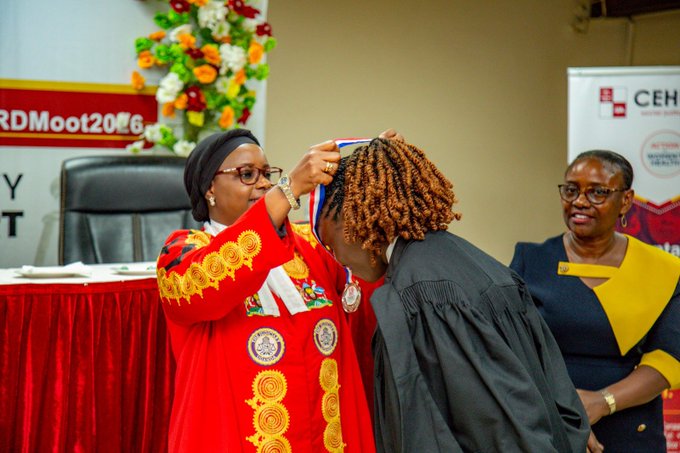
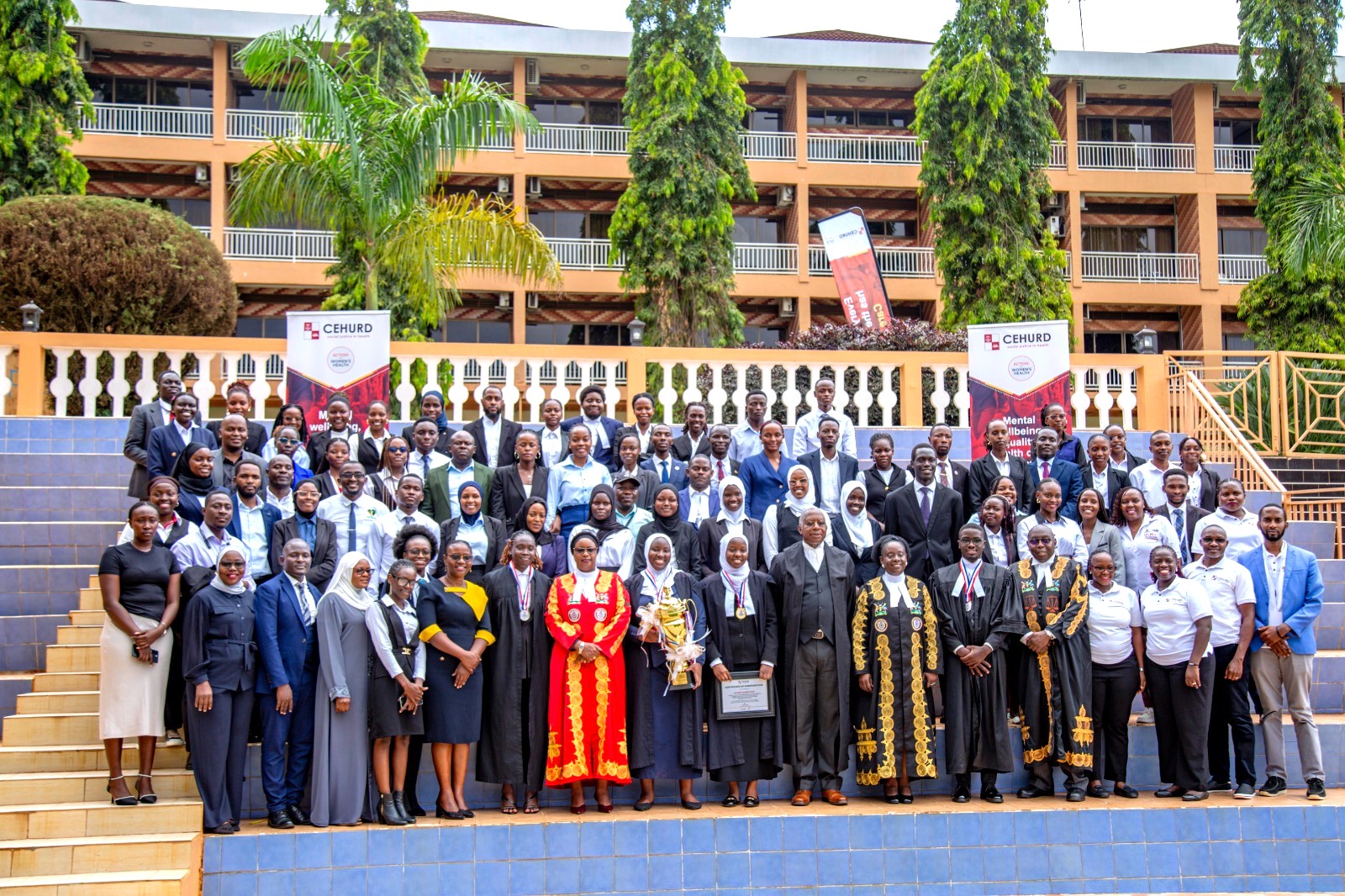
Islamic University in Uganda Females Campus emerged as the winner of the 13th Annual National Inter-University Constitutional Law Moot Court Competition, with Uganda Pentecostal University, Fort Portal Campus, as first runners-up.

Katimbo Alison Faith was recognised as Best Oralist.

Uganda Christian University, Mukono received the award for Best Memorial, while Islamic University in Uganda, Kampala received Second-Best Memorial.

These awards recognise different dimensions of legal advocacy.

Oral advocacy requires clarity, responsiveness, confidence and persuasion. Written advocacy requires research, analysis, structure and precision. Together, they represent important skills for any lawyer.

But the value of the moot cannot be measured only through the final results.

The participating law schools, students, coordinators, clerks and judges collectively created a learning environment in which students could test their knowledge, receive practical feedback and experience the demands of courtroom advocacy.

The competition therefore ended with winners, but the learning continues.

Beyond the moot

The 13th CEHURD National Inter-University Constitutional Law Moot Court Competition was, on the surface, a competition. But its deeper value lies in the professional formation it offers.

It teaches future lawyers that advocacy is not about demonstrating how much law they know. It is about identifying the real issue, understanding the facts, using the right authorities, responding to the court and persuading through a clear and lawful argument. It also demonstrates why spaces that bring together constitutional law, reproductive justice and practical advocacy matter.

The next generation of lawyers will inherit difficult questions about autonomy, equality, health, dignity, gender, culture, public resources and state accountability. Their effectiveness will depend not only on what they learned in law school, but on how they learned to use the law in service of people.

The lessons from the moot are therefore worth carrying beyond the competition and into the courtroom.

The Moot may have ended with a trophy, but its most important outcomes are likely to be seen much later- in the confidence of young advocates, the quality of their submissions, their ability to listen and respond, and their willingness to use the law to advance reproductive justice.

Know your facts. Get to the substance. Speak to the court. And make every submission count.

That is the art of advocacy.

The writer is the Deputy Executive Director at the Centre for Health, Human Rights and Development (CEHURD).

CEHURD Recognised for Strengthening the Fight Against SGBV in Hoima

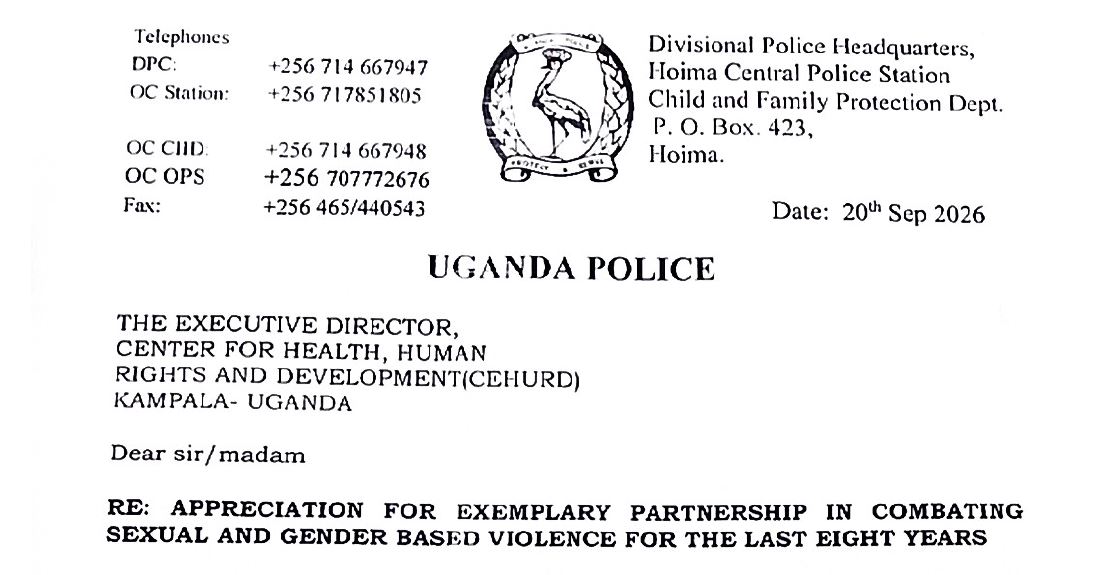
Uganda Police, through the Hoima Central Police Station Child and Family Protection Department, has commended CEHURD for its eight-year partnership in preventing and responding to sexual and gender-based violence (SGBV) in Hoima City.

Through the DFPA project, CEHURD has supported efforts to strengthen the response to SGBV by training duty bearers, enhancing coordination among justice actors, providing legal and psychosocial support, facilitating court representation and witness support, strengthening referral pathways, and supporting survivor protection and access to justice.