
The Clarion Call: How we can end Hepatitis B as an ecosystem focusing on preventionΒ 

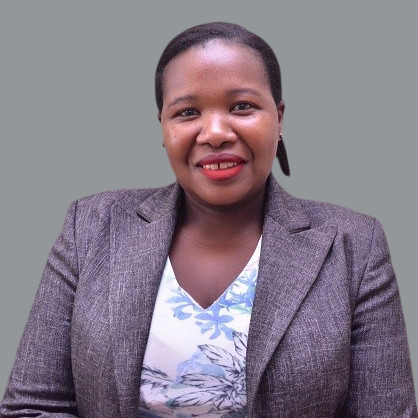
By Kizito Khalid Ssekabembe 

According to World Health Organization, β€œHepatitis B is a viral infection that attacks the liver and can cause both acute and chronic disease. The virus is most transmitted from mother to child during birth and delivery, in early childhood, as well as through contact with blood or other body fluids during sex with an infected partner, unsafe injections or exposures to sharp instruments. The WHO estimates that 240 million people were living with chronic hepatitis B infection in 2024, with 0.9 million new infections each year. In 2024, hepatitis B resulted in an estimated 1.1 million deaths, mostly from cirrhosis and hepatocellular carcinoma (primary liver cancer).  

In Uganda, approximately 1.845 million Ugandans are chronically infected with the virus and liver cancer caused by HBV contribute 5.1% of all cancer deaths. 

According to the 2016 Uganda Population based HIV Impact assessment survey, prevalence of Hepatitis B infection among adults stands 4,3% (5,6% among men and 3.1% among women). The survey indicates that Hepatitis B prevalence is highest in Northern region with 4.6% in mid North ,4.4% in Northeast and 3.8% in West Nile.  Hepatitis B infection was lower in the rest of the country with a range of 0.8% in the Southwest region to 2.7% in East Central region. 

Laws and Policies on Right to Health and Hepatitis B in Uganda and gaps that need to be addressed. 

Although the constitution is not so clear on the right to health, there are laws and policies that have been put in place: Uganda guidelines for prevention, testing, care and treatment of hepatitis B and C virus 2024, Public Health act 2023, National immunization Strategy (2024-2028), immunization act 2017, public health rules 2014. 

Gaps that need to be addressed  

Financial gaps: financial disparity needs to be given attention because financial allocations are more given to HIV than Hepatitis B; Hepatitis B remains underfunded despite its high disease burden. Financing structures must be reevaluated for purposes of equity and fairness. 

Implementation and sensitization: there is an urgent need to bridge the persistent and sensitization gaps in Uganda’s public health response to Hepatitis B. While the Uganda guidelines for prevention, testing, Care and treatment of Hepatitis B 2024 offer a robust framework, a disconnect between these clinical standards and public understanding. The government must effectively engage the public by educating high risk groups such expectant mothers and sex workers on Hepatitis B prevention and procedures. 

Human rights and stigma protection on Hepatitis B patients: government policy must protect the rights  of Hepatitis B patients and one of the ways should be guaranteed confidentiality by strictly enforcing medical confidentiality laws, workplace equality like banning mandatory screening at places of work to prevent unfair termination or exclusion. 

The battlefield as an eco-system our focus being prevention 

Since hepatitis B is incurable, we can work on control and prevention as our mode of fighting, one of the ways we can do this to make sure we do regular checkups.Β Β 

Diagnosis: This involves the steps that your health care professional takes to find out if you have hepatitis B. Your healthcare professional gives you a physical exam and looks for symptoms of liver damage. These symptoms can include yellow skin and stomach pain. Tests that can help diagnose hepatitis B or its complications are Blood tests that can detect the hepatitis B virus in your body. They can also tell your health care professional if the infection is acute or chronic. A simple blood test also can find out if you are immune to the condition this is according www.mayoclinic.com 

Vaccination: hepatitis B is preventable with a vaccine. All babies should receive hepatitis B as soon as possible after birth (within 24 hours). This is followed by two or three doses of hepatitis B vaccine at least four weeks apart. Hepatitis B can be passed from mother to child. this can be prevented by taking antiviral medicines to prevent transmission, in addition to the vaccine shortly after birth. The pentavalent vaccine to infants at 6,10 and 14 weeks. Adult vaccination may also be offered as long as there is no evidence of chronic infection. This vaccine should be given at 0,1and 6-month intervals. 

Public campaigns and addresses especially among the Youth on Hepatitis B prevention, especially on regular condom use: To effectively eliminate the spread of Hepatitis B, we must promote safe sex practices such as consistent condom use. The phrase of β€˜β€™eating a sweet in polyethene bag β€˜β€™ is a commonly slang term used by young people   to express that using condoms reduces sexual pleasure and intimacy during sex.  Public health campaigns frequently fail to address this mindset because they heavily focus on clinical facts rather than addressing consistent use of condoms. 

Currently public health awareness is overwhelmingly focused on HIV but it’s high time we also intentionally focus on Hepatitis B. Targeted intervention is urgent in transit and the areas around Busega and  Nateete are well known hubs for nighttime, trade, transport and informal businesses which correlate with high levels of commercial sex. Introducing focused Hepatitis B awareness and its prevention is essential in these communities and many other communities. 

According to the world health organization we should also avoid sharing needles or any equipment used for injecting drugs, piercing or tattooing, wash your hands thoroughly with soap and water after coming into contact with blood, body fluids, or contaminated surfaces and get a hepatitis B vaccine if working in a health care setting. 

Conclusion

The World Health Assembly called for governments and populations to take action to prevent diagnosis and treat viral hepatitis. Globally, 90% of people living with viral Hepatitis B and C do not know they have it, leading to an average of 3000 deaths every day. It is important to remember that the fight against Hepatitis B cannot be won in isolation, we must recognize that eliminating this disease requires a fully integrated ecosystem rather than leaving the government to carry the burden alone. 

The Author is a Lawyer and an Intern as Center for Health, Human Rights and Development (CEHURD).

BID NOTICE: Invitation to Bid for Installation, Commissioning & Training of the Center For Health Human Rights and Development Enterprise Resource Planning System

Download the bid notice for the Installation, Commissioning & Training of the CEHURD Enterprise Resource Planning (ERP) System, including submission requirements, timelines, and bidding instructions.

WHEN SURVIVAL IS DEMOLISHED: Women, Violence, and the Silent Mental Health Crisis in Uganda’s Urban CrackdownΒ 

By Nakalembe Judith – CEHURDΒ 

When Uganda’s authorities began demolishing roadside kiosks and informal structures in early 2026, the narrative was framed around order, cleanliness, and modernization. However, behind the rubble lies a deeper, more painful story, one that is rarely told. It is the story of women, especially single mothers, whose lives have been destabilized not only economically, but emotionally and physically, in ways that expose the harsh realities of living in a patriarchal society. 

For many of these women, the informal economy is not a choice it is survival. In a society where structural inequalities limit women’s access to formal employment, land ownership, and financial stability, roadside businesses offer a rare form of independence. These small enterprises allow women to feed their children, pay school fees, attend to their health needs, afford housing and maintain a sense of dignity. 

The government’s action of taking away these spaces, with or without notice, sometimes enforced through intimidation or force, the impact goes far beyond lost income. It creates a ripple effect of vulnerability that places women at increased risk of violence, exploitation, and psychological trauma. Economic loss often becomes the first step toward deeper harm. 

In patriarchal settings, financial dependence can trap women in abusive environments. A woman who loses her income may be forced to return to or remain in relationships where she faces domestic violence, simply because she no longer has the means to survive on her own. Others may enter exploitative arrangements-transactional relationships or unsafe work in order to provide for their children. This is where the link between economic displacement and gender-based violence becomes painfully clear. 

The demolitions, though administrative in intent, can unintentionally reinforce power imbalances that already exist. When a woman’s financial autonomy is stripped away, her bargaining power in both the household and society diminishes. In many cases, this increases her exposure to physical, emotional, and sexual abuse. At the same time, a silent mental health crisis unfolds.  

Nalongo Justine, a mother from Kalagi in Mukono District, whom we interacted with about this order said,Β 

We do not have a designated marketplace, that is why I have been doing roadside vending to earn a living. Now that we have been chased away, I have no means to pay my children’s fees. We do not have plots for farming, by chasing us away, they are simply telling us to commit suicide.Β 

Watch >> Nalongo JustineΒ 

Like many women, Nalongo is calling on the government to provide a safe, designated market space in Kalagi so they can support their families with dignity and stability. 

Women affected by these demolitions are not only grieving lost businesses – they are grappling with fear, shame, anger, and uncertainty. For single mothers, the psychological burden is immense. The constant pressure of not knowing how to feed their children or keep them in school can lead to chronic anxiety and depression. 

But in a patriarchal context, mental health struggles are often dismissed or silenced. Women are expected to β€œendure,” to remain strong for their families, and to avoid speaking openly about emotional distress. This cultural expectation turns suffering into isolation. 

What emerges is a dangerous, self-reinforcing cycle. When livelihoods are lost, the immediate impact is stress and economic desperation. That desperation, in turn, heightens vulnerability to violence and exploitation, as options narrow and survival becomes more urgent. Exposure to such violence deepens trauma and worsens mental health, creating wounds that go beyond the physical ones that can be visible. And as mental health deteriorates, the ability to recover, rebuild, or even seek out new opportunities becomes significantly harder, trapping individuals in a loop that is difficult to break. Breaking this cycle requires more than policy adjustments it requires a shift in how we understand development. 

Urban order cannot come at the cost of human dignity. Enforcement strategies that ignore gender realities of risk deepening inequality and harm. Women are not just informal traders; they are caregivers, providers, and the backbone of many households. When they fall, entire families and future generations are affected. 

A more humane approach would start by recognizing how deeply these issues are connected. It would move beyond narrow enforcement and instead respond to the full reality people are living through. That means embedding protection against gender-based violence within displacement responses, so safety is not treated as an afterthought. It also means integrating mental health and psychosocial support into urban enforcement policies, acknowledging the emotional and psychological toll of disruption. 

At the same time, there is a need for economic recovery programs intentionally designed for women, addressing the specific barriers they face in rebuilding their livelihoods. Importantly, creating safe, affordable trading spaces would help preserve women’s independence, allowing them to sustain themselves and their children with dignity rather than pushing them further into vulnerability.  

If Uganda is to build cities that truly thrive, it must confront not only the structures on its streets, but the structures within its society. Until then, the cost of progress will continue to be paid by those who can least afford it, including women struggling every day, not just for income, but for survival, safety, and peace of mind. The time is now for the government to re-think its trade order, considering the implication to the rights of women. As a country, we can approach this, in a more humane way.  

A Nation at the Crossroads of Social Justice

– Edgar Rodney Buregeya

As we mark World Day of Social Justice, Uganda finds itself at a defining moment. This year’s theme, Empowering Inclusion: Bridging the Gaps for Social Justice, challenges us to examine whether the rights guaranteed in our Constitution are reflected in people’s daily lives, especially in a period shaped by political transition and socio-economic strain that continue to weigh heavily on the most vulnerable.

The recent parliamentary elections signal this shift. Only 40 percent of Members of Parliament were re-elected. The remaining 60 percent include legislators who championed social justice causes. Whether that legacy endures will depend on how firmly these issues remain anchored in national priorities.

Social justice is not abstract. It is the difference between a mother who accesses emergency obstetric care and one of the 12 women in Uganda who dies from preventable pregnancy-related complications, according to estimates from the Uganda Bureau of Statistics. At its core, social justice addresses the structural conditions that reproduce inequality: underfunded health systems, unsafe environments, and livelihoods stripped of dignity.

Uganda’s Constitution guarantees fundamental rights, and successive National Development Plans have committed to Universal Health Coverage and equitable service delivery. Yet the gaps are stark. Eighty-two districts operate without a general hospital. Many sub-counties lack a functional Health Centre III. More than half of Uganda’s youth are neither employed nor in education or training. Over seven million Ugandans, about 16.1 percent of the population, live below the national poverty line. These are not isolated statistics; they reflect systemic inequities.

For sixteen years, the Center for Health, Human Rights and Development (CEHURD), alongside other advocates, has worked to close these gaps through litigation, research, policy advocacy, and community empowerment. Our experience shows that change becomes possible when institutions are held accountable and communities understand and assert their rights.

In 2024, CEHURD secured a landmark judgment from the High Court holding Mulago National Referral Hospital liable for the disappearance of a newborn. The Court affirmed not only the right to health, but also the State’s obligation to provide psychosocial support to victims of health rights violations. Accountability, the Court made clear, is central to justice.

In May 2025, CEHURD filed a civil suit against the Kampala Capital City Authority and the National Environment Management Authority following the catastrophic collapse of the Kiteezi landfill. The disaster claimed lives and destroyed homes after prolonged warnings about hazardous waste leakage and environmental risk. The Kiteezi community, largely low-income, had long been exposed to preventable harm. The case seeks more than compensation. It calls for systemic reform, safe decommissioning of hazardous infrastructure, environmental restoration, and sustainable waste management that prioritises community health.

Beyond the courts, CEHURD has supported the development and implementation of Uganda’s National Guideline on Self-Care Interventions. This framework strengthens individuals’ ability to manage aspects of their reproductive, physical, mental, and emotional well-being. Through collaboration with the Ministry of Health and grassroots engagement, this work has advanced outcomes in sexual and reproductive health and rights, gender justice, communicable and non-communicable diseases, and mental health.

In September 2025, CEHURD convened the second Uganda National Conference on Health, Human Rights and Development, culminating in the Uganda Declaration on Social Determinants of Health. The declaration recognises a simple truth: most health outcomes are shaped outside hospital walls. Housing, education, environment, nutrition, and gender equality are not peripheral concerns. They determine who lives well and who does not.

World Day of Social Justice in 2026 should therefore serve as a benchmark for policy action. While the National Development Plan IV outlines ambitious commitments, implementation must be matched with equitable financing, functional infrastructure, and measurable accountability.

The Government of Uganda must operationalise the right to health through legislation, budgeting, and coordinated action across ministries including Education and Sports; Water and Environment; Justice and Constitutional Affairs; and Gender, Labour and Social Development. Environmental negligence must carry consequences. Independent oversight mechanisms are essential to prevent tragedies such as Kiteezi from recurring.

This also requires a civic space where public interest advocacy can function without undue restriction. When civil society and communities are constrained, accountability weakens and development outcomes suffer.

Advancing social justice is a shared responsibility. Government carries primary constitutional duties, but meaningful progress depends on cooperation among institutions, communities, and citizens. The promise is a Uganda where a newborn’s survival does not depend on geography or family income, where communities breathe clean air and drink safe water, and where health systems serve all with dignity.

The measure of this commemoration will not be speeches delivered, but structural gaps closed. Health justice and social justice are inseparable. Both demand sustained commitment, principled leadership, and collective accountability.

The writer is a Legal Clerk at the Center for Health, Human Rights and Development (CEHURD).

CALL FOR APPLICATIONS; TB Contact Tracing Officer

Centre for Health, Human Rights and Development (CEHURD) is seeking to recruit a qualified and motivated individual to fill the position of TB Contact Tracing Officer.

The TB Contact Tracing Officer will work closely with Facility-Based Health Workers and Community Health Workers attached to TB Diagnostic and Treatment Units (TDUs) to conduct contact tracing visits for confirmed TB cases. The officer will ensure that eligible contacts receive TB Preventive Therapy (TPT) in accordance with the Operations Guidelines for TB Contact Investigation (2019). The overall goal of this position is to increase TB detection and treatment/cure rates while reducing TB transmission within communities.

Interested and qualified candidates should submit their applications clearly marked β€œApplication for the Position of TB Contact Tracing Officer” via email to: support@cehurd.org

All applications must be received by Friday, 9th January 2026.

Download the detailed job description and requirements here;