About CEHURD’s Midyear Staff Retreat 2024

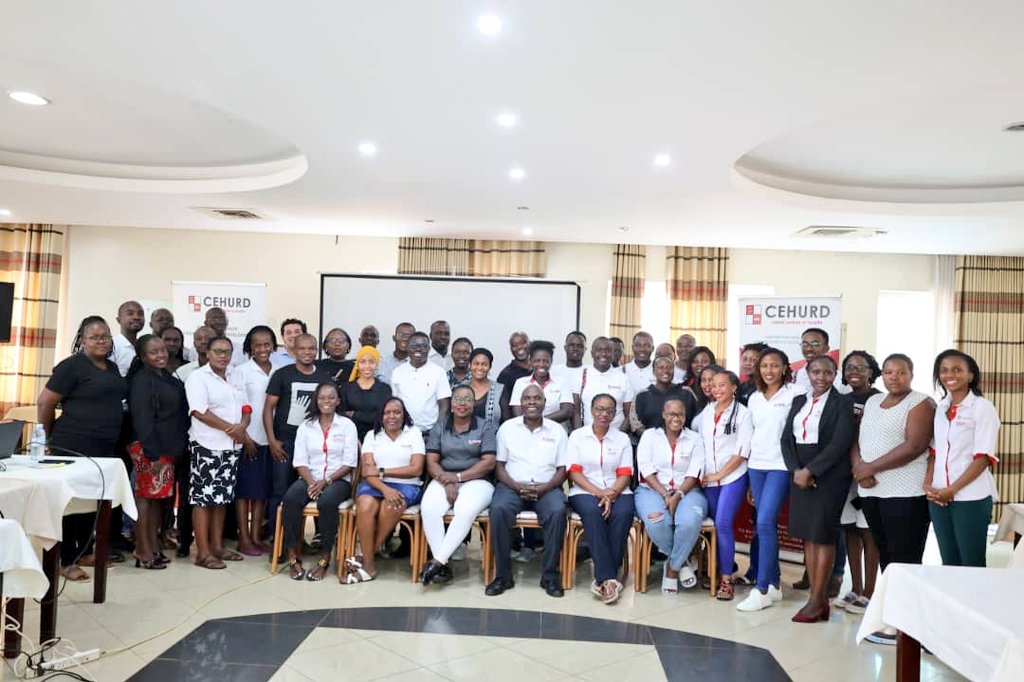
The CEHURD team met in Gulu in July for the mid-year staff retreat, a valuable opportunity to refresh and plan for the second half of the year. The retreat featured a series of enriching sessions, including in-depth appraisals of our institution’s key approaches, policies, and core values. This ensured that every team member was aligned and equipped to drive our mission forward.

Additionally, we warmly welcomed and oriented new staff members, introducing them to our team’s dynamic and inclusive culture. The retreat provided a platform for meaningful connections, knowledge sharing, and collaborative planning, setting us up for a productive and successful second half of the year.

Gulu District, where we held our retreat, is one of the districts where we implement our projects. In fact, we have successfully implemented three significant projects in the northern and West Nile region, including DINU, Stand 4 SRHR, and TASO Global Fund Projects OVC phase 7. These projects have enabled us to make a positive impact in the lives of the people in Gulu and surrounding areas, and we look forward to continuing our work in this region.

𝗪𝗲 𝗵𝗮𝗱 𝘁𝗵𝗲 𝗼𝗽𝗽𝗼𝗿𝘁𝘂𝗻𝗶𝘁𝘆 𝘁𝗼 𝗺𝗲𝗲𝘁 𝘄𝗶𝘁𝗵 𝗹𝗲𝗮𝗱𝗲𝗿𝘀 𝗳𝗿𝗼𝗺 𝗔𝗿𝘂𝗮, 𝗠𝗮𝗱𝗶-𝗢𝗸𝗼𝗹𝗹𝗼, 𝗧𝗲𝗿𝗲𝗴𝗼 𝗮𝗻𝗱 𝗬𝘂𝗺𝗯𝗲 𝗱𝗶𝘀𝘁𝗿𝗶𝗰𝘁𝘀, 𝘁𝗼 𝗱𝗶𝘀𝗰𝘂𝘀𝘀 𝗰𝗼𝗹𝗹𝗮𝗯𝗼𝗿𝗮𝘁𝗶𝗼𝗻𝘀 𝗮𝗻𝗱 𝗿𝗲𝗳𝗹𝗲𝗰𝘁 𝗼𝗻 𝗖𝗘𝗛𝗨𝗥𝗗’𝘀 𝘄𝗼𝗿𝗸 𝗶𝗻 𝘁𝗵𝗲 𝗱𝗶𝘀𝘁𝗿𝗶𝗰𝘁𝘀.

Mr Alfred Okuonzi, LC 5 Chairperson, West Nile Districts and focal person for NGOs and CSOs ~ ❝CEHURD has been a valuable partner in improving healthcare in Uganda, particularly in the West Nile region thereby complimenting Government efforts. He observed that CEHURD’s relationship with West Nile is like padlock and key – inseparable and made reference to CEHURD’s impactful TB contact tracing work within the last 3 years under TASO/Global Fund programme and Social Accountability and Legal Empowerment for social services under DINU project.

CEHURD’s work stands out and supports our goal of social accountability. Local Government values your role as a watchdog improving Uganda’s healthcare system and sees you as partners, not opposition.❞

Mr Okuonzi further noted that the TB detection rate is still low in the region, teenage pregnancy is 27% above national average of 24%, early marriages continue to be high, gender based violence and girls dropping out of school. He called on CEHURD to continue with the collaboration in addressing these persistent challenges and specifically requested for support in the development of Ordinances to that focus on these issues.

Mr Anyama Williams, Chairperson, West Nile Local Government Association observed that West Nile bears the burden of providing healthcare services to the districts in the region as well as the inflow of patients from neighbouring DR Congo and South Sudan, yet with no additional budget to cater for this inflow and cannot turn away patients from these countries.  

❝We appreciate the oversight responsibility of CEHURD. Please also consider paying attention to the challenge of the many young people who are already struggling with poverty and are using the little they have to buy “Mairungi”. Each week a young person spends the same amount they would spend on a bag of cement. Not many partners have picked interest in addressing this problem, yet i believe it is a social justice issue.❞

 #CEHURDStaffRetreat

Compiled by CEHURD’s Communications team.
From a Shy to a Brave Young Advocate for Sexual and Reproductive Health Rights

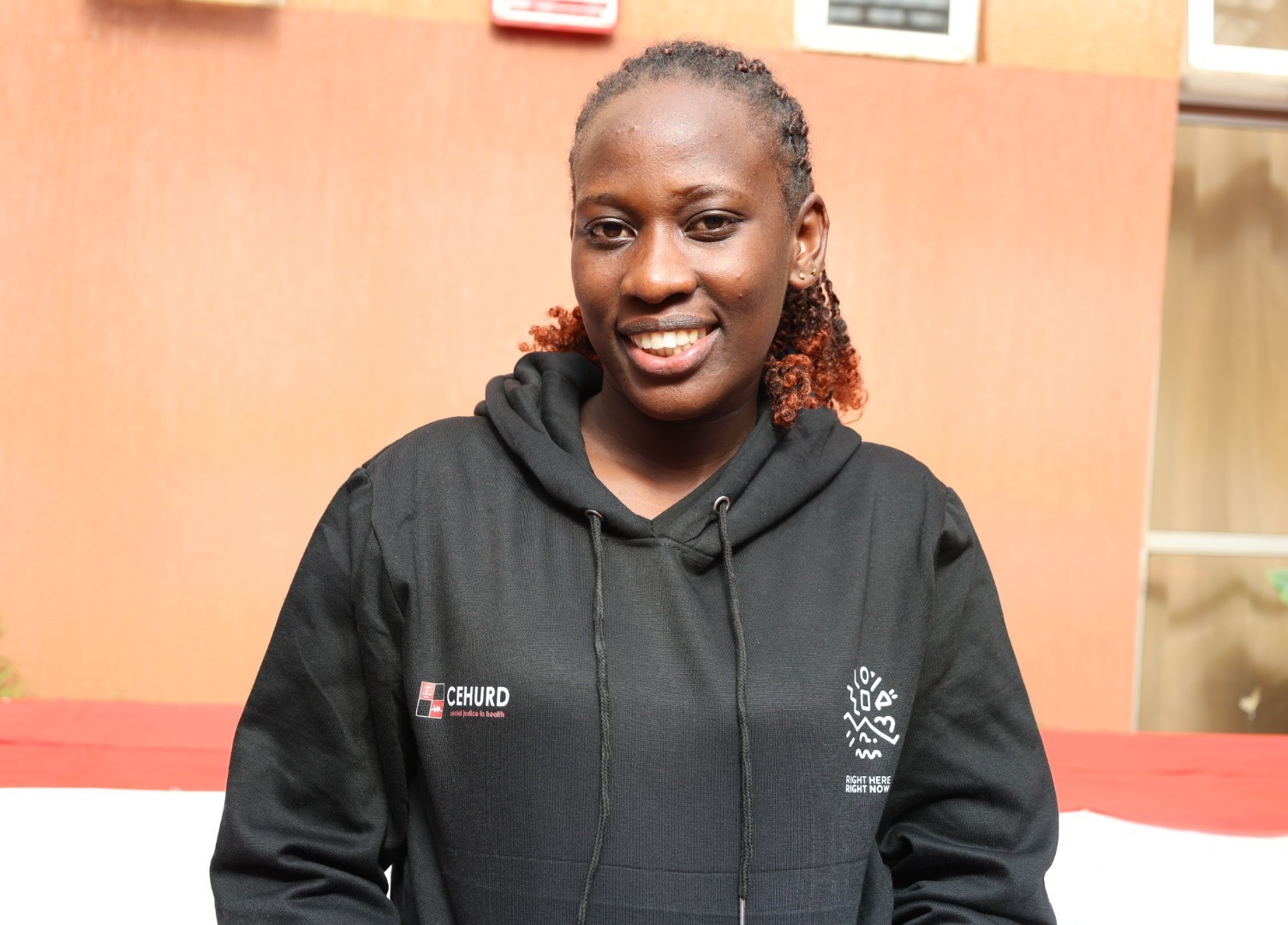
My name is Catherine Nassanga, and I am 23 years old. While volunteering with MildMay in 2021, I was introduced to CEHURD through a friend. Growing up as the only girl in my family, I used to be shy, which negatively impacted my self-esteem. However, through CEHURD’s interventions, I gained confidence and now speak to many fellow young people as an advocate.

CEHURD trained me in advocacy for young people’s sexual and reproductive health and rights (SRHR), including budgeting, gender-based violence, gender justice, human rights-based approaches, and HIV/AIDS. In my community, young girls often faced early pregnancies, forced early marriages, or unsafe abortions due to a lack of SRHR knowledge and support.

After being empowered by CEHURD and learning about the right to demand better health services, I gained the confidence to support girls facing SRHR challenges. CEHURD’s interventions also helped me decide to pursue a course in counseling and guidance to speak to young people from a more informed background.

The advocacy spaces CEHURD provided have given me a platform to reach out to young people with SRHR knowledge and engage with policymakers to voice issues affecting youth. I have actively participated in budgeting processes, raising young people’s priorities for the national budget. During a Universal Periodic Review meeting, I argued that denying young people access to contraceptives does a disservice to them, as many are secretly or forcefully engaging in sexual activities.

I call upon other civil society organizations to provide advocacy spaces for young people to raise issues to responsible stakeholders. I also hope that CEHURD continues to support young people with this crucial information. This year, I set a target to reach out to at least 50 young people per day with SRHR knowledge and information through my youth corner at the Mildmay facility in Lweza Kajjansi, and I have reached over 7,000 young people so far.

I envision a society where gender-based violence against girls ends with my generation.

Empowering Youth Through Health Advocacy

My name is Semanda Anthony, and I am 26 years old. In 2022, I got to know about CEHURD, where I learned about the right to health and advocacy for young people’s sexual and reproductive health and rights (SRHR). Initially, I was unaware of my health rights, but CEHURD clarified this by explaining the process of health service delivery using the triple AAA framework.

Before joining CEHURD, I lacked knowledge about sexual and reproductive health and rights, relevant laws, referral pathways, and advocacy for young people’s SRHR. CEHURD has empowered me by enhancing my skills as a peer educator, allowing me to confidently share information with my peers.

I conduct training sessions for young people in various suburbs of Kampala, such as Namuwongo and Mbuya. I teach life skills, including how to be assertive, how to create healthy social and sexual relationships, and the use of different contraceptive options. Additionally, I have provided survival skills through joint savings initiatives.

I proudly advocate for condom use, educating young people on proper usage and disposal. Bravery, a value instilled in me by CEHURD, is something I hold dear. Currently, I serve as the youth chairman in my village of Nsambya, where I raise young people’s issues with relevant stakeholders.

Thanks to CEHURD’s support, I have taken on leadership roles, including my position as a coach with TACKLE Africa, where I share SRHR information with young people through football.

I am grateful to CEHURD for creating opportunities that have enhanced my social capital and positively influenced my career path. I am now working as a peer educator and football coach.

Lastly, I urge all stakeholders to empower boys as much as girls, ensuring that initiatives aimed at the girl child are equally extended to the boy child.

From VHT to Male Champion: Nelson’s Mission to Create Positive Change in His Community

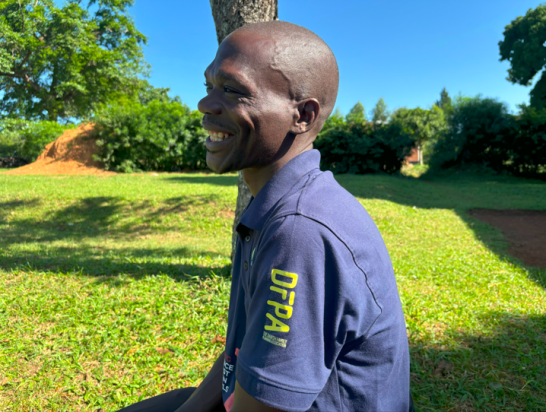
Nelson, a Male Champion trained and empowered under the Promise II Project-DFPA, stands as a beacon of hope in his community, earning commendation for his tireless efforts. Nelson has embarked on a mission to sensitize people on the importance of gender equality while fearlessly speaking out against Sexual and gender-based violence (SGBV) and other gender-related injustice.

While the inclusion of women remains paramount in advancing Sexual and Reproductive Health and Rights (SRHR) and gender justice, the engagement of men and boys is equally essential for achieving lasting change.

In the countryside of Kyabigambire Central, one Sunday Nelson is breaking stereotypes by assuming the proactive role of a male champion, advocating for SRHR and gender justice. Dismantling the notion that SRHR and gender equality are solely women’s issues.

Serving as an influential role model who is challenging harmful gender norms and stereotypes within his community.

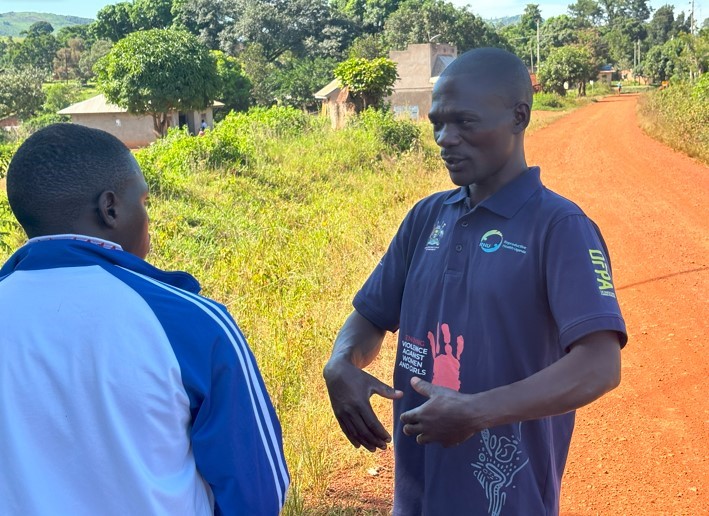
Sunday Nelson’s dedication to this cause goes beyond mere advocacy and awareness rising; he immerses himself in the community, actively engaging men and boys in crucial conversations about gender issues and empowering couples and families to embrace gender equality and justice. He has demonstrated that supporting gender equality is not only beneficial but also essential for creating healthier and more equitable societies.

Drawing from his past experience as a VHT, Nelson transitioned into his role as a male champion, now collaborating with local leaders to challenge traditional notions of masculinity that perpetuate harmful behaviors and attitudes. His unique ability to navigate through complex issues with compassion and understanding has earned him praise and admiration from those he has helped.

By redefining what it means to be a man, Nelson has encouraged other men to embrace values such as mutual respect, consent, accountability and equality, reaching accountability and collective action.

In an interview with me, Nelson stated;

I’m passionate about creating change in my community. I believe sensitizing communities on gender equality and SGBV is key to fostering positive change, sparking meaningful dialogue and action. As a committed male champion, selected by the community, I’m engaging men in discussions about gender issues to strengthen families and communities. The Promise II project has been a turning point for me, offering training and fostering personal and professional growth. I’ve undergone a remarkable journey of growth and advancement.”

As Nelson continues to make a positive impact in his community, his story serves as a testament to the transformative power of dedication, compassion, underscoring the importance of community empowerment, mobilization, and meaningful participation. Meaningful participation from men and boys is crucial for challenging and dismantling patriarchal structures that perpetuate inequality, discrimination and denial of services. By actively involving men and boys in advocacy efforts, male champions emphasize that achieving gender justice is a collective responsibility that benefits everyone.

“With Nelson’s and the LC’s support, my wife and I successfully addressed our recent marital issues. Our disagreements had resulted in violence, but Nelson’s guidance helped me become a better husband. The positive transformations are now evident in our home.” – stated one of the beneficiaries.

Stereotypes have long permeated our perceptions of gender roles and responsibilities, often relegating men to certain societal expectations that limit their ability to engage in issues such as sexual and reproductive health and rights (SRHR) and gender justice. One of the primary reasons for involving male champions in advancing SRHR and gender justice is their unique ability to resonate with other men. Research indicates that men are more likely to listen to and heed the advice of their male counterparts.

By Fatiha Nkoobe

Communications Officer,

Center for Health, Human Rights and Development (CEHURD).

Fighting a Monster that Guards My Community’s Gate

A story of a GBV male champion Samuel Muhumuza from Hoima District, Uganda trained under Promise II project (DFPA).

“Of course, I’m a man. How can I be seen cooking or doing any home chores meant for women?” – Sam

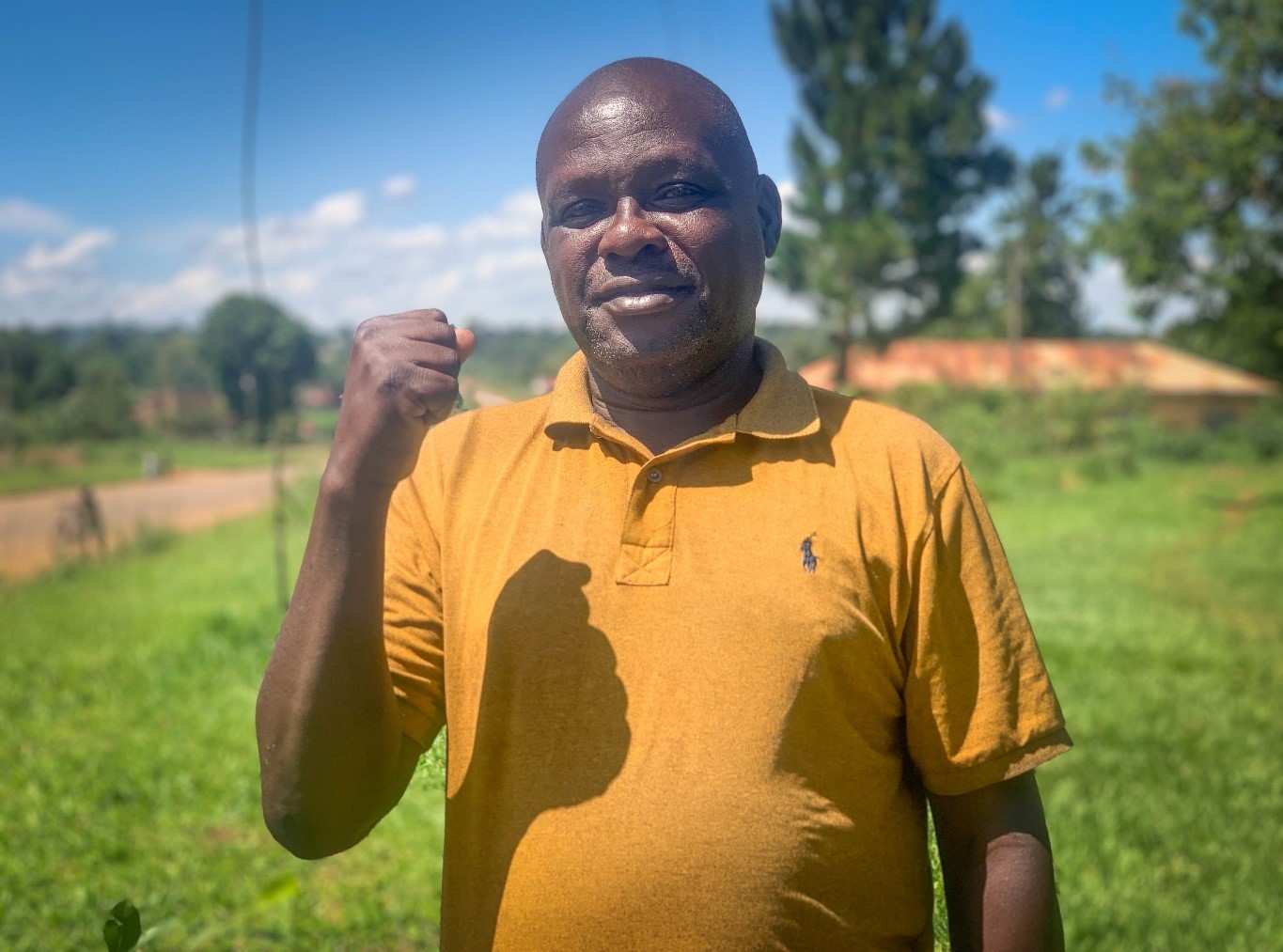
Samuel Muhumuza is a Gender-Based Violence male champion from Kigorobya Northern Ward, Hoima District. His passion of being a Gender-Based Violence champion is derived from his personal experience and the trainings he has numerously had with Center for Health, Human Rights and Development (CEHURD). In my interview with Sam, he passionately shares how he finds it prestigious to do the kind of work he does and how he never wishes to go back to his previous life of being a politician.

“I knew I was a man. Certain gender roles weren’t for me however much they were affecting me. How could I be seen cooking? I would rather die of hunger than cook for myself or for my children even in the absence of their mum. But this narrative changed”. Says Sam

When change knocked Sam’s door, he embraced it and he’s now impacting his community. In Sam’s home, gender roles are shared amongst individuals be it male or female, and he does this openly so that his community can be able to pick a leaf from him.

“I have cows at home, with no herds man. My wife and I share this role. I also collect water for my family, and I have never lost my hands since I started doing so”. Says Sam

As a Gender-Based Violence champion, Sam has had to go head-to-head with some of his notorious cultural norms that spark of Gender-Based Violence. Much as he does his best to change his fellow men’s mindsets in his community, at times he’s looked at as a person trying to erode away his culture. Among the Alurs where Sam grew up from, women are not supposed to eat with men, they instead serve them, sit down and await on them as they eat until when they get done. After the man has gone, then a woman can eat after. Furthermore, a woman has no right to say no to sex if a man requests, regardless of her health condition. Cultural norms in Sam’s community are highly respected and this is something Sam has to deal with each and every day. He fights a monster that happens to safe guards his community.

Sam comes from a community where some people still believe that Gender-Based Violence cases happen in homes because of sorcery, woman’s delay to open the door for the man returning home past midnight is a sign of disrespect and all these can spark-off a fight. But as a champion who has gone through trainings, he clarifies to his community the major causes of Gender-Based Violence and breaks the myths and misconceptions around it.

In spite the criticism towards Sam’s work, he never stops what he does because it gives him a lot of joy. One of the things he proudly delights in is being able to reconcile breaking families through mediations. He even goes further to offer himself as a surety to suspected fellow men of Gender-Based Violence, with hope that when they’re out, he will talk to them and they change. This is a bold move, right? And surely, at least the two men he has stood for have not disappointed him.

“Much as fighting Gender-Based Violence is tedious and resolving its conflicts take a while, it is a worthwhile experience and this gives me pride and joy” – Sam says.

Sam therefore calls upon cultural leaders to join the mantle of putting an end to Gender-Based Violence and the government to be intentional on sensitizing communities on the dangers of Gender-Based Violence, since illiteracy and cultural norms happen to be the leading causes of Gender-Based Violence. He also urges other fellow men who have embraced change to be extemporary to others as he has been to his community.


By Faith Nabunya

Communications Officer,

Center for Health, Human Rights and Development (CEHURD)