
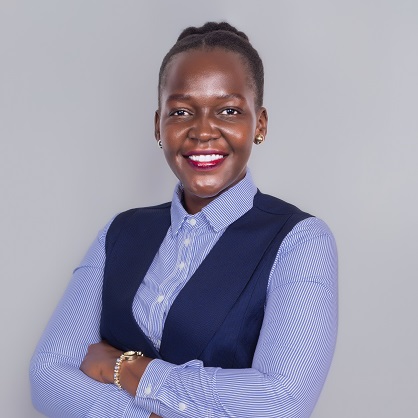
By Sharon Aber
As Uganda commemorated World Mental Health Day on 10 October 2026, the theme, “Lived experiences heard: real voices, real change,” called for greater attention to the voices of people whose experiences of mental health are often overlooked or misunderstood. It challenged us to listen, learn from their experiences and ensure their perspectives inform the policies, services and decisions that affect their lives. For women and girls in Uganda, this means recognising the emotional toll of violence, stigma, reproductive loss and social injustice, and addressing the circumstances that shape their mental well-being.
The two-decade conflict between the Lord’s Resistance Army and the Ugandan government left many communities in northern Uganda grappling with lasting psychological and social effects. However, mental health challenges in the region are sometimes attributed solely to the trauma of war, overlooking other personal and social circumstances that may contribute to emotional distress. While the effects of conflict remain significant, understanding mental health requires recognising the different experiences and challenges that shape each person’s well-being.
In many communities, mental health remains poorly understood, and access to appropriate care is often limited. In my village of Obolokome, in Koro Sub-county, Gulu District, a woman experiencing mental health difficulties may seek help at a health centre only to find that it lacks the trained personnel and resources to meet her needs. Cultural perceptions can further complicate the situation. Among the Acholi, the term “Lapoya” is sometimes used to describe a person perceived to have a mental illness, often associated with madness and the belief that the condition is incurable. Such perceptions reinforce stigma and may discourage people from seeking the care and support they need.
Consider a woman in Kamuli who has lost a pregnancy. In an attempt to comfort her, those around her may say, “Do not worry; your womb will conceive again.” Although well-intentioned, such words can minimise the grief she is experiencing by focusing on the possibility of another pregnancy rather than acknowledging her loss. Pregnancy loss can bring profound grief, trauma, fear and guilt, leaving a woman in need of understanding and emotional support. Rather than rushing to reassure her that she can conceive again, those around her can offer a listening ear, acknowledge her pain and allow her the space to grieve without judgement.
In Yumbe, a fourteen-year-old girl who becomes pregnant may drop out of school after being labelled a prostitute. If she considers terminating the pregnancy, she may also face fear of criminal prosecution and social rejection. Meanwhile, the circumstances surrounding her pregnancy and the responsibility of the person who defiled her may receive little attention. The stigma and uncertainty she faces can compound her distress at a time when she needs protection, understanding and support.
In Arua, a widow may experience profound emotional distress as she grieves the loss of her husband, faces the seizure of her land by his relatives and struggles to obtain justice. Her reactions to the loss may be misunderstood or judged without consideration of the grief, insecurity and uncertainty she faces, compounded by the strain of prolonged legal proceedings. These experiences show how social injustice can affect women’s mental well-being, particularly when their suffering is dismissed rather than understood.
These experiences illustrate a wider problem. Women’s mental health is often discussed without sufficient attention to the social conditions in which women live. Violence, discrimination, reproductive loss, economic insecurity, stigma and denial of justice can undermine emotional well-being. Yet, when women express distress, their experiences are sometimes dismissed as weakness, disobedience or madness rather than recognised as reasons to offer compassionate support and, where necessary, professional care.
Taking lived experiences seriously means translating them into meaningful change. People who have experienced mental health conditions hold valuable insights that professional training and research alone cannot provide. Their voices must therefore inform decisions about mental health care, policies and services. For women in Uganda, this means going beyond inviting them to share their stories to ensuring their experiences shape the responses they receive, the services available to them and the policies that affect their well-being.
The World Health Organization estimates that more than one billion people globally live with mental health conditions, highlighting the need for accessible, rights-based and person-centred care. In Uganda, however, access to mental health support often depends on where a person lives, the availability of trained health workers and services, the attitudes of those around them and their ability to afford care. For many women, these barriers can make seeking help difficult, leaving their mental health needs unaddressed.
Reports of suicide and psychological distress among young people further emphasis the urgency of addressing mental health. Although suicide has multiple and complex causes, these reports point to the need for accessible mental health services, early identification of distress, compassionate support and effective referral systems. They also highlight the importance of addressing the circumstances that can increase vulnerability, including violence, social isolation, economic hardship and discrimination.
A gender-responsive approach to mental health must recognise the psychological consequences of sexual and gender-based violence (SGBV). Survivors may experience anxiety, depression, post-traumatic stress symptoms and other forms of psychological distress. CEHURD’s analysis of SGBV has also highlighted mental health challenges among survivors, including an increased risk of suicidal thoughts and attempts. The effects of violence often extend beyond physical injuries, disrupting survivors’ relationships, education, livelihoods, sense of safety and ability to participate fully in community life.
Other experiences that disproportionately affect women and girls can also take a toll on their mental well-being. The loss of a child or partner, miscarriage, infertility, teenage pregnancy, abandonment, divorce, unemployment and dispossession can cause significant emotional distress. Although these experiences do not necessarily indicate mental illness, they may leave women needing compassion, psychosocial support or professional mental health care. Recognising distress for what it is, rather than dismissing it as madness, is essential to ensuring that women receive appropriate and dignified support.
The law also shapes how people experiencing mental health conditions are treated. Historical provisions in Ugandan legislation have used derogatory terms such as “idiots” and “imbeciles” to refer to people with intellectual or mental disabilities. Such language reflects a legal and social environment in which people can be reduced to a diagnosis or disability rather than recognised as individuals entitled to dignity, equality and protection.
CEHURD challenged this problem through Constitutional Petition No. 64 of 2011, contesting provisions and practices that discriminated against people with mental disabilities. The litigation formed part of the wider effort to ensure that mental disability is not used to diminish a person’s legal status, dignity or enjoyment of fundamental rights.
CEHURD also challenged the use of seclusion rooms at Butabika National Referral Mental Hospital, raising concerns about patients’ rights to dignity, liberty, privacy and freedom from cruel, inhuman or degrading treatment. Although the litigation did not result in the court granting the relief CEHURD sought, the case remains part of the wider struggle to ensure that mental health care respects human rights. Treatment should not require people to surrender their dignity or be subjected to practices that fail to respect their rights.
Another significant example is CEHURD and Nakayima Fatumah v. Executive Director, Mulago National Referral Hospital and Attorney General, Miscellaneous Cause No. 327 of 2016. The case arose from Mulago National Referral Hospital’s failure to provide Fatumah with her newborn baby or adequate information about the baby’s whereabouts. After more than seven years of litigation, the High Court ruled in February 2024 that her right to health had been violated and awarded her UGX 50 million in compensation for the psychological trauma she suffered and its impact on her mental health and well-being.
The significance of the case extends beyond the hospital’s failure to account for a newborn. It demonstrates that a health rights violation can inflict profound psychological harm and that the law can recognise this harm as part of the injustice suffered by an affected person. The ruling reinforces the importance of accountability, access to information and appropriate redress when failures within the health system cause suffering.
Together, these cases illustrate why mental health cannot be treated solely as a clinical issue. It is also a matter of human rights, dignity and accountability. When people experience discrimination, degrading treatment or violations of their health rights, the response must address both the underlying violation and its consequences for their well-being.
CEHURD’s work on SGBV further demonstrates the importance of integrating legal assistance with psychosocial support. The organisation has documented barriers survivors face in obtaining medical, legal and psychosocial assistance, including the cost of medical examinations, inadequate survivor-centred services and difficulties accessing timely care. These barriers can discourage survivors from seeking help and leave them without the support they need. A survivor-centred response therefore requires coordinated services that address immediate health needs, protect dignity, support access to justice and reduce the risk of further harm.
CEHURD’s broader work on women’s health also recognises that physical and mental well-being are interconnected. In 2026, the organisation advanced an initiative titled “Addressing Persistent Challenges and Barriers for Women’s Physical and Mental Health in Six Districts in Uganda Using Tested Legal, Community Empowerment, and Research Approaches (2026–2028).” The initiative covers Kamuli, Mayuge, Mukono, Buikwe, Arua and Yumbe, where women and girls experience different but intersecting barriers to health services and justice.
The initiative links legal empowerment, community participation, research and accountability. Its focus includes women and girls’ access to justice, physical and mental health services, referral systems and opportunities to participate in decisions affecting their lives. Rather than treating mental health as an isolated concern, the approach recognises the importance of examining the conditions that shape women’s experiences and the institutional barriers that prevent them from obtaining appropriate support.
This direction is consistent with CEHURD’s wider work on social justice in health. Through legal aid, strategic litigation, community empowerment and advocacy, the organisation works to challenge violations of health rights and improve the responsiveness of health and justice systems. Its work on SGBV also emphasises safe spaces for survivors to be heard, legal assistance and psychosocial support. These interventions reflect a fundamental principle: women should not have to choose between seeking justice and receiving the care they need to recover from violence.
Nevertheless, important gaps remain in Uganda’s mental health response. The Mental Health Act, 2018, establishes a legal framework for mental health care and the protection of patients’ rights. Yet, legislation alone cannot guarantee that a woman in a rural community will find a qualified mental health professional, obtain counselling or receive a referral when she needs one. Effective implementation requires adequate financing, trained personnel, accessible services and clear mechanisms for protecting the rights of people receiving care.
Concerns about inadequate mental health financing also persist. Mental health experts have repeatedly called for greater investment in services, personnel and community-based care. When resources are insufficient, facilities struggle to provide appropriate support, families carry responsibilities they are not equipped to manage, and people with mental health conditions risk being neglected or subjected to inappropriate treatment.
The consequences are particularly serious for women in underserved communities. A woman who lives far from a referral hospital may be unable to afford transport. Another may avoid seeking help because she fears being labelled mentally ill. A survivor of violence may need counselling but lack access to a provider trained to respond to trauma. A girl who has experienced defilement may require protection, medical care, psychosocial support and legal assistance, yet find that these services are fragmented or difficult to access.
The story of Hanifa Nakiryowa, an acid attack survivor who was also attacked alongside her daughter, illustrates the importance of looking beyond physical injuries. Public accounts of her case described her prolonged struggle for justice after the prosecution was reportedly discontinued in 2014 following repeated failures of prosecution witnesses to appear. Her continued search for answers raises important questions about the experiences of survivors who live for years with uncertainty and unresolved injustice.
Her story invites us to consider not only whether survivors obtain justice, but also whether they receive the support needed to address the psychological consequences of violence. Physical injuries may be visible, but the emotional effects of trauma, uncertainty and prolonged legal processes are often less apparent. The absence of visible injuries does not mean that a person has recovered.
Survivors need systems that recognise the full impact of violence. That means access to appropriate medical treatment, psychosocial support, legal assistance and protection from further harm. It also means justice institutions that handle cases efficiently, communicate with survivors and witnesses, and reduce the risk of further trauma during legal proceedings. Justice and mental health support are complementary parts of a rights-based response.
Education and community-based support also have important roles to play. Efforts to integrate mental well-being and psychosocial support into educational settings offer opportunities to identify distress earlier and connect learners to appropriate assistance. However, schools need trained personnel, practical referral arrangements and safeguards that protect learners’ confidentiality and dignity. A policy can make a difference only when the people expected to implement it have the resources and support to do so.
At the community level, local leaders, health workers and community advocates can help challenge stigma, recognise when someone needs assistance and connect people to appropriate services. They can also help communities understand that mental health conditions are not evidence of moral failure, spiritual weakness or a lack of resilience. Such efforts must complement, rather than replace, professional mental health care.
District hospitals and lower-level health facilities need adequate personnel and stronger referral systems. Where feasible and supported by appropriate supervision, training and referral arrangements, health workers at Health Centre IIIs and IVs can help identify mental health concerns and connect patients to further care. Community-based services can also reduce the burden of travelling long distances to specialised facilities. Mental health care should not be a privilege determined by a person’s income or place of residence.
The justice system requires similar attention. Cases should not collapse because witnesses cannot afford transport, survivors lack legal assistance or institutions fail to protect those seeking redress. Greater investment in legal aid, survivor protection and psychosocial support can help make justice more accessible and reduce the additional distress caused by navigating complex legal processes without assistance.
The experiences of girls facing teenage pregnancy and the consequences of sexual violence also demand a more compassionate and rights-based response. When a girl who has experienced defilement faces stigma, exclusion from school or fear of prosecution while her safety and the conduct of the perpetrator receive inadequate attention, the response risks compounding her vulnerability. Protecting girls requires attention to their rights, health, safety, education and emotional well-being, alongside accountability for sexual violence.
As CEHURD continues its work through legal aid, community engagement, research and advocacy, listening to women’s experiences remains central. A woman who reports violence needs to be taken seriously. A woman who experiences pregnancy loss needs compassion rather than dismissive reassurance. A girl who becomes pregnant following sexual abuse needs protection and support rather than stigma. A widow facing dispossession needs access to justice and recognition of the emotional consequences of her experience. In each situation, meaningful support begins by recognising the person behind the problem.
World Mental Health Day must be more than an annual reminder. Its call to hear lived experiences demands sustained action. Government must invest in accessible mental health services, health facilities must provide respectful and appropriate care, justice institutions must protect survivors and pursue accountability, and communities must challenge stigma and harmful social norms. People with lived experience must also be meaningfully involved in shaping the services and policies intended to support them.
A woman’s mind is not separate from her health, her rights or her dignity. Her mental well-being is shaped by whether she can live free from violence, make decisions about her body, obtain health care, pursue justice and participate in her community without discrimination. Protecting it requires more than telling her to be strong. It requires institutions that listen, services that respond and a society that recognises her suffering without defining her by it.
Her mind is her health goldmine. Protecting it requires us to listen to her lived experience, respect her dignity and turn our commitments into meaningful action.
The Writer is a Lawyer at the Center for Health, Human Rights Development (CEHURD).