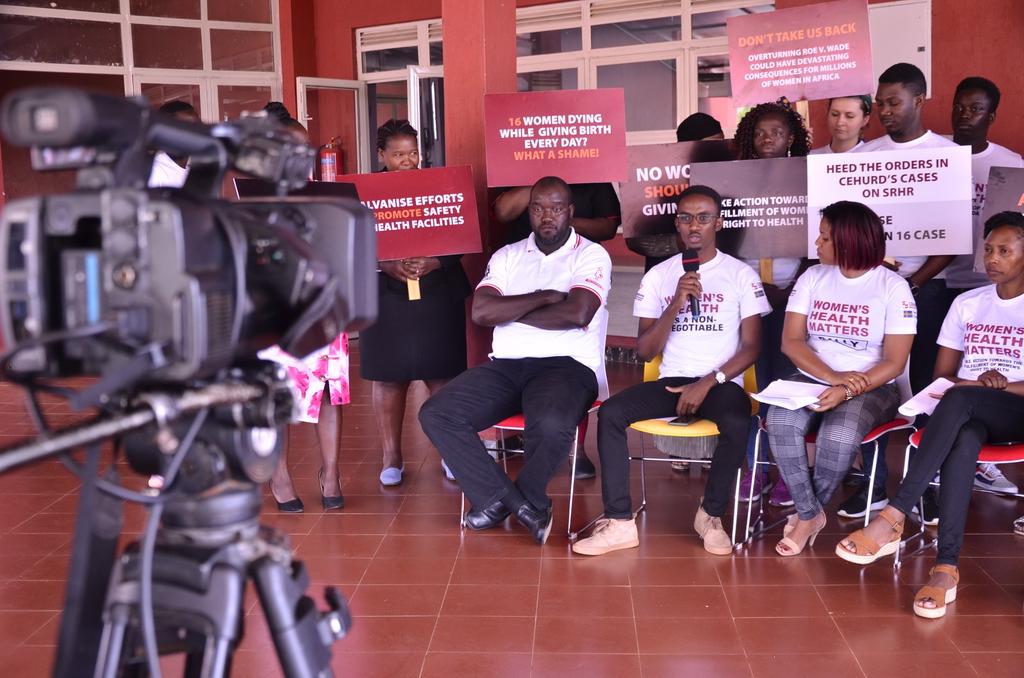
Advocacy for health, human rights, and development in Uganda is a critical aspect of CEHURD’s efforts to improve the well-being of vulnerable communities, enhance policy frameworks, and ensure equitable access to healthcare services.
Despite the strides made, various challenges still hinder the effectiveness of these advocacy initiatives such as limited access to evidence-based data and research on issues such as maternal health, sexual and reproductive health, and access to essential medicines, lack of synergy among advocacy groups, which leads to fragmented efforts and duplication of activities that weakens the overall impact of advocacy initiatives, weak community engagement and participation particularly in rural and underserved areas where health and human rights issues are most prevalent, restrictive legal environment with Laws such as the Public Order Management Act and the NGO Act which restrict the freedom of assembly, expression, and association, making it difficult to engage in advocacy without facing the risk of government interference, and inherent strong social, cultural and religious attitudes towards specific health issues, like mental health, reproductive rights, gender, GBV, SGBV, and abortion that drive stigma and discrimination that hinder certain health interventions.
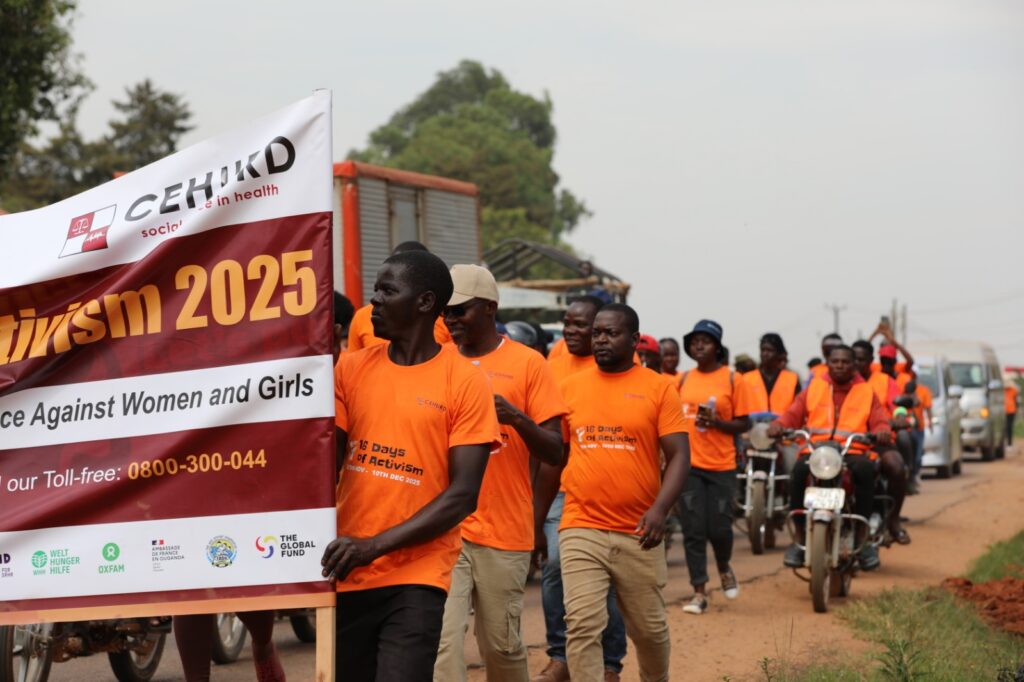
CEHURD builds on her experience and achievements to strengthen advocacy efforts to tackle the above challenges and make progress towards ensuring that all citizens realise the fundamental rights to health, well-being, and socio-economic development.
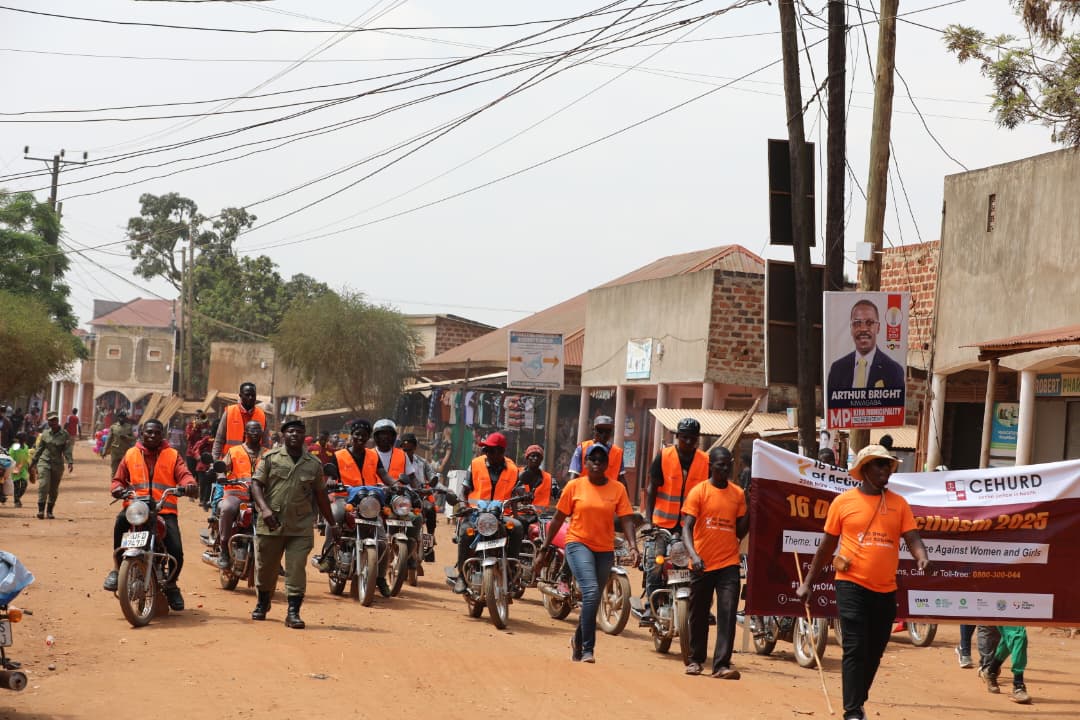
CEHURD conducts evidence-based advocacy engagements in the focus areas, carry out campaigns and movement building, build advocacy capacities across rights holders and duty bearers at various levels (communities, citizen groups, CSOs, health providers, health workers, lawyers, media and partners); establish and engage multisectoral, strategic partnerships and networks, including key government MDAs like: Parliament, Ministry of Health (MoH), Ministry of Education and Sports (MoES), Ministry of Finance, Planning and Economic Development (MoFPED), Ministry of Gender, Labor and Social Development, Uganda Human Rights Commission (UHRC), Uganda Medical and Dental Practitioners Council (UMDPC), The Equal Opportunities Commission (EOC), Uganda Police Force (UPF), JLOS institutions; national networks, alliances and NGOs as well as other key stakeholders.
We notice that the civic space for engagement is narrowing at national and international levels and therefore need stronger organizations and movements that are able to organize differently as a way to engage with the ever-changing operating context, rise of right-wing fundamentalisms, shifting power dynamics and the push-back.
CEHURD is committed to continue providing leadership and hosting secretariat for Coalitions such as: Coalition to Stop Maternal Mortality and Morbidity due to Unsafe Abortion in Uganda (CSMMUA), Coalition to Stop Maternal Mortality and Morbidity in Uganda – Petition 16 and Health Law Cluster of the Uganda Law Society. The organization is also intentional in building, nurturing and sustaining a sexual and reproductive health and rights movement in Uganda.
In addition, other relevant advocacy platforms at the regional and international levels will be pursued as well as joint advocacy agenda identified, elaborated and supported in solidarity with the regional and international strategic partners.
This programme thus, feeds into CEHURD’s strategic plan objective 2, Positioning health and human rights as a key strategy for sustainable development in Uganda, Regionally and Globally. The goal is to realise enhanced policies, laws, social norms and practices for the realization of health and human rights.