Lessons from Agweng Sub-county, Lira District
With support from TASO Uganda, CEHURD has strengthened community-based organizations (CBOs) under the Resilient and Sustainable Systems for Health (RSSH) program, across multiple districts. These efforts have driven measurable gains in HIV and human rights outcomes.
CEHURD-supported CBOs have improved responses to violence, exclusion, and care barriers through stronger referral pathways, community mediation, and sustained follow-up. This has helped affected individuals regain access to health, protection, and social services. District-wide experiences like these provide vital context for the transformative lessons from Agweng Sub-county, Lira District – showing how investing in local actors builds resilient, community-led HIV and human rights initiatives.
Tackling Barriers in Agweng Sub-county
In Agweng Sub-county, HIV service access is hindered not just by distance to facilities, but by stigma, gender inequality, poverty, and ongoing human rights abuses. Orphans, vulnerable children, adolescent girls, and young women living with or at risk of HIV often face delayed care, loss to follow-up, and heightened vulnerability.
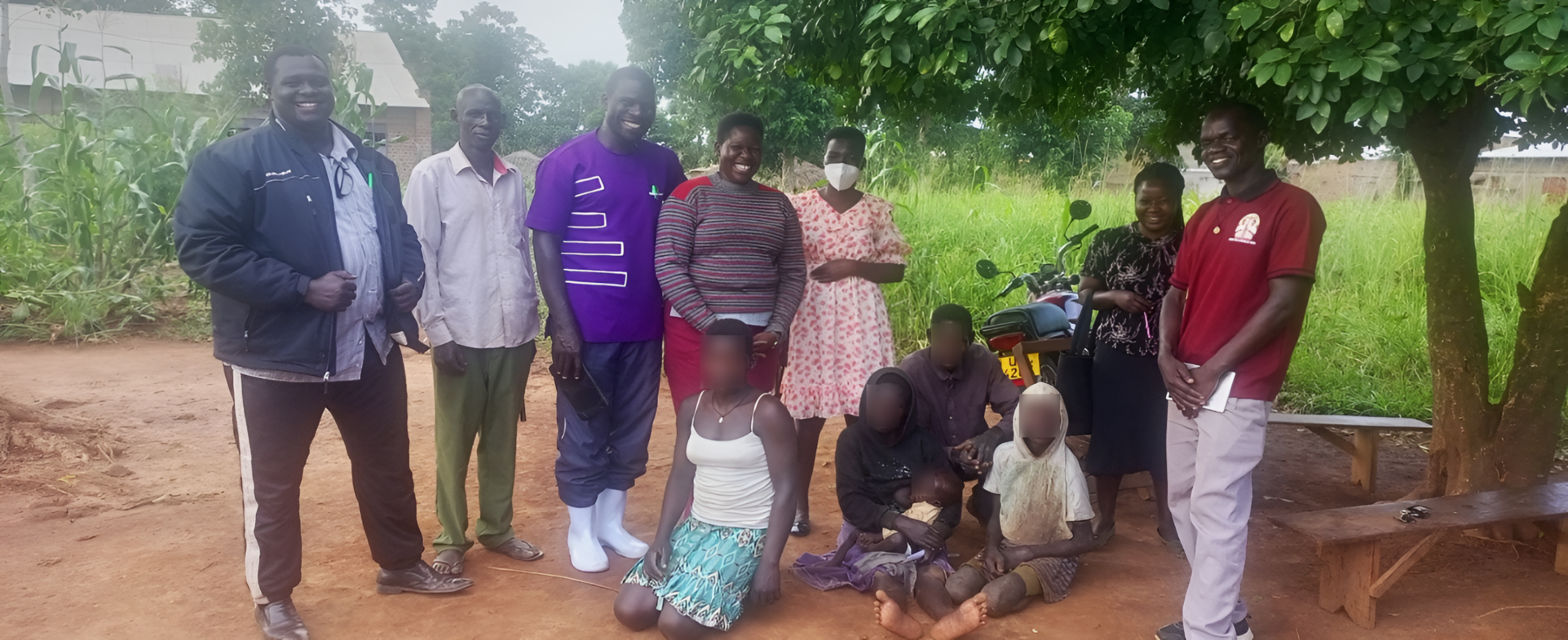
Under the Global Fund-supported GC6 RSSH Capacity Building Programme – implemented through TASO – CEHURD partnered with Fountain of Justice and Restoration (FOJAR) to fortify rights-based, community-led health responses. FOJAR’s journey underscores how targeted capacity building yields real health and human rights progress.
Through training, mentorship, and systems strengthening, FOJAR built expertise in integrated HIV prevention, care, and human rights work for hard-to-reach communities. Key gains included enhanced outreach, referrals, documentation, reporting, and partnerships with health facilities and local leaders.
FOJAR indirectly reached over 1,800 community members and directly served 800 beneficiaries – including orphans, vulnerable children, adolescent girls and young women, and people living with HIV. Services encompassed HIV testing, ART linkage, viral load monitoring, contact tracing, psychosocial support, and human rights education. These efforts boosted treatment adherence, curbed loss to follow-up, and expanded service uptake among marginalized groups.
Addressing Stigma, Abuse, and Exclusion
FOJAR’s strengthened capacity enabled swift action on complex cases of stigma, abuse, and exclusion, especially for children, adolescents, and young women affected by HIV.
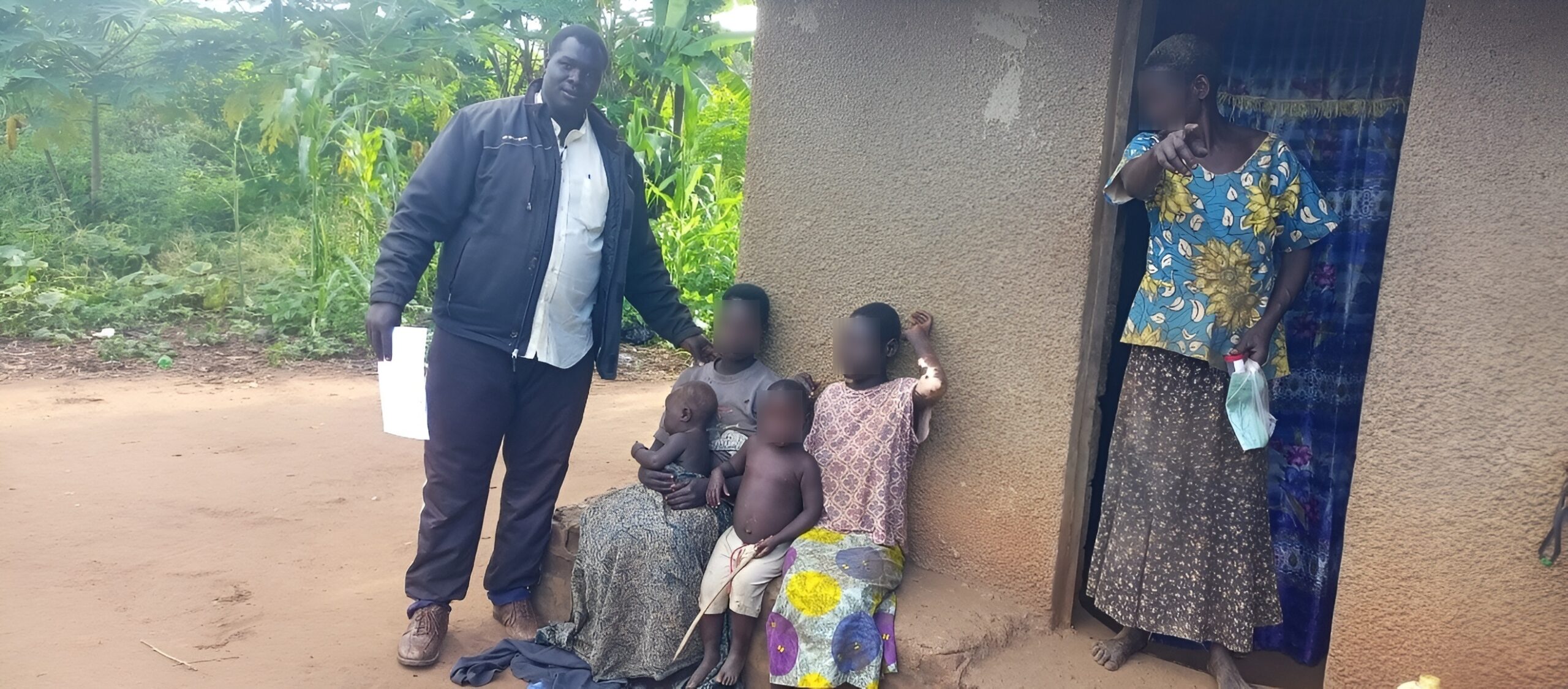
A 15-year-old girl born with HIV and living with a disability lost her inheritance after her mother’s death and faced stepfamily rejection. FOJAR kept her in care at Abala Health Centre III while coordinating referrals for protection and welfare.
“After my mother died, everything meant for my future was taken away. I was told I did not belong. FOJAR helped me stay in treatment and followed up on my safety when I had nowhere else to turn.”
– Adolescent girl living with HIV, Agweng Sub-county
In Angolocom Parish, two adolescent sexual abuse survivors- now young mothers living with HIV -received treatment, psychosocial support, and sensitive disclosure after years of neglect. FOJAR’s community staff managed referrals and follow-up, proving the power of trusted local actors.
“We were abused and left without support. Before FOJAR came, no one helped us access care or understand our rights.” – Adolescent mother living with HIV, Angolocom Parish
Children with HIV also endured isolation and school fears. FOJAR’s community dialogues with cultural, religious, and opinion leaders challenged norms and fostered inclusion.
Fortifying Health Facility Partnerships
FOJAR’s work deepened ties with Abala Health Centre III, yielding concrete HIV gains:
- Viral load suppression rose 5% above prior averages.
- 30% of new HIV-positive clients linked successfully to care.
- Lost-to-follow-up clients were traced and restarted on treatment.
- Men’s service uptake grew via community outreach.
The ART clinic in-charge noted that FOJAR’s interventions made care accessible to those deterred by stigma, distance, or privacy issues.
Broader Community Accountability and Protection
FOJAR also strengthened systems for violence response, child neglect, forced dropouts, and early marriage – often tied to HIV risks. From 2023 – 2025, collaborations with sub-county leaders, traditional authorities, and religious groups enabled mediation, referrals, and follow-up, filling gaps from exiting donor programs.
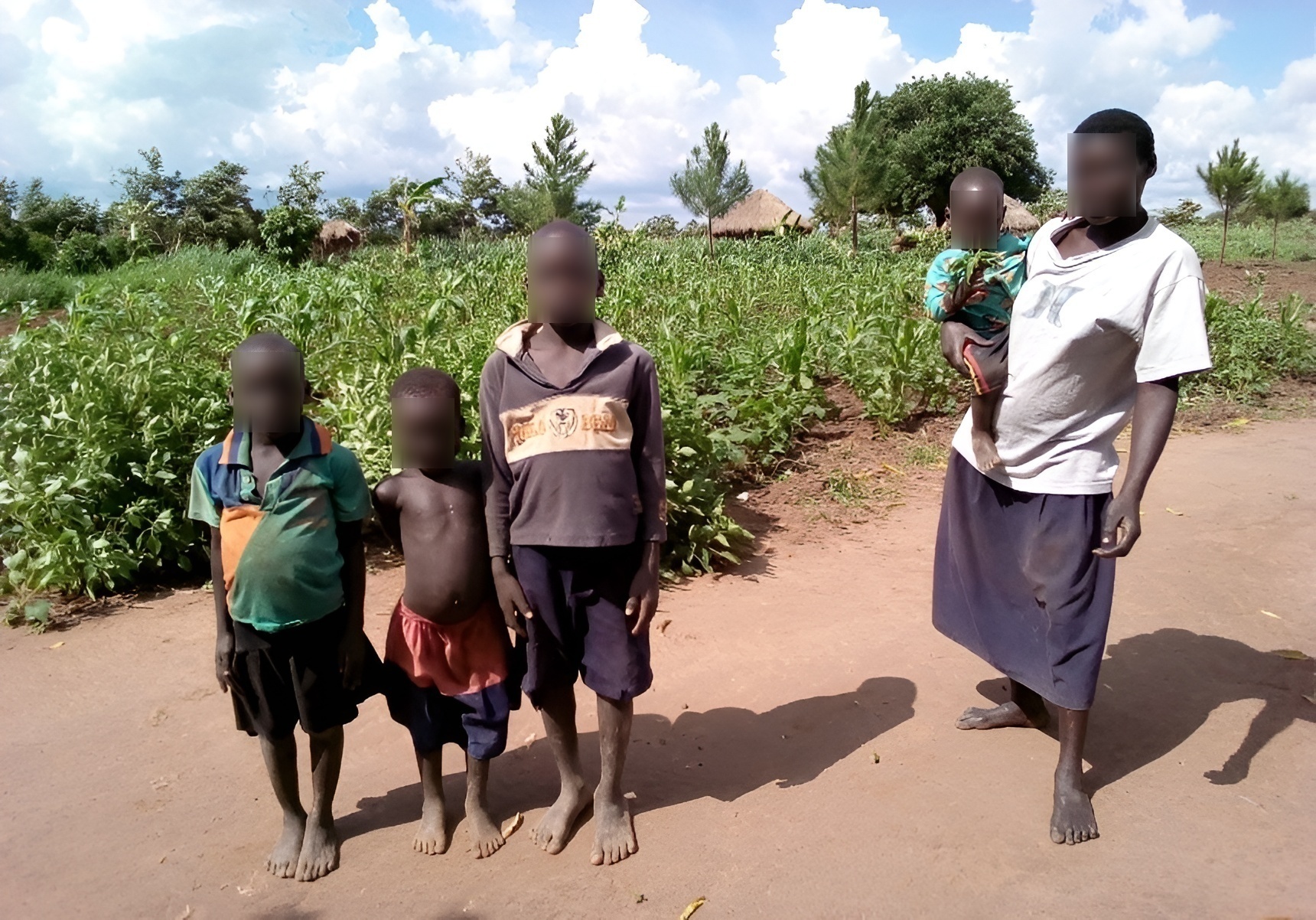
“I was forced into marriage at a young age and experienced domestic violence. After returning to my family home, I faced exclusion that denied me access to land, food, education for my children, and basic services. Support from community-based actors has helped me seek protection, regain access to services, and work toward a more stable future for my children.”
– Community member living with HIV, Lira District, supported by FOJAR
Sustaining Gains Through Local Ownership
GC6 RSSH support yielded lasting results:
- HIV, human rights, and inclusion integrated into FOJAR’s strategic plan.
- Trained resource persons continue parish-level support.
- Documentation, reporting, and learning systems institutionalized.
- FOJAR established as a key district partner in health and protection.
This story upholds the critical role of local actors in delivering sustainable, rights-based HIV responses attuned to community realities.