A UNESCO report indicates that in Sub-Saharan Africa, approximately 1 in 10 girls misses school during their periods due to stigma and discrimination. On average, a menstruating girl loses 13 learning days of school every school term. Additionally, an estimated 23 percent of adolescent girls aged 12 to 18 drop out of school following the onset of menstruation.
Girls in Uganda face a multitude of challenges in managing their menstrual health. Alarming statistics on school dropout rates among menstruating girls underscore the urgent need for intervention. The absence of menstrual hygiene supplies in schools stands as a major barrier leading to many girls missing out on education, due to period-related challenges.
Along with other challenges; including inadequate infrastructure and limited information/awareness, the scarcity of essential supplies like sanitary pads is a critical issue that has not received adequate attention. Social stigmas and cultural taboos surrounding menstruation further exacerbate these challenges, making it difficult for girls to seek the support and information they need.
Well knowing that economic disparities have exacerbated period poverty, with only the privileged able to afford menstrual products. The less fortunate often resort to desperate measures, including risky behaviors to raise funds for pads. Young people often depend on their parents for these supplies, who are already burdened with numerous responsibilities. High levels of poverty worsen the situation, as the price of a pad ranges from 3,000 to 9,000 shillings, an amount that could cover part of school fees for a daughter in some regions. This disparity undermines the fundamental goal of ensuring equal opportunity for all, as girls face unnecessary barriers that hinder their educational advancement and overall well-being. It is imperative that governments and stakeholders prioritize initiatives that address menstrual health as a core component of women’s rights and empowerment.
It’s been eight years since the government committed to providing menstrual health products to school-going girls, a promise outlined in the 2016–2021 Manifesto of the ruling National Resistance Movement (NRM) government, with the objective of addressing school dropout rates and supporting menstrual hygiene, dignity, and the well-being of adolescent girls in primary and secondary schools. However, this pledge remained unfulfilled by the end of the term.
The implementation of the pledge was anticipated in the Financial Year 2017/2018; however, the initiative has remained only on paper, eight years since President Yoweri Kaguta Museveni made the pronouncement. In April 2020, First Lady Janet Museveni, Minister of Education and Sports, announced plans for a sanitary pad manufacturing factory to distribute pads in schools nationwide at no cost. However, this plan is yet to materialize.
As we mark Menstrual Health Awareness Month, I take this moment to remind the government of this important commitment outlined in the 2016–2021 Manifesto of the ruling National Resistance Movement (NRM) government. Every May of each year is Menstrual Health Awareness Month, an opportunity to create awareness on MHM and amplify/challenge key issues on periods, among them the unfulfilled pledges on MHM. This campaign culminates into the commemoration of International Menstrual Hygiene Day celebrated 28 may. May is the 5th month of the year, and the average length of menstruation is 5 days every month.
Whereas Uganda has demonstrated commendable efforts in advancing women’s empowerment and leadership through various policies, programs, and affirmative action measures, there remains a notable gap in addressing menstrual health management among girls, which directly impacts their ability to compete equally with boys in education.
Investing in menstrual health for girls is not only a matter of health and hygiene but also a critical step towards advancing toward an equal future. While strides have been made in promoting gender equality and empowering women in other areas, the critical issue of providing adequate support for menstrual health has often been overlooked.
Menstrual Health Management (MHM) should be promoted as a critical aspect of gender equality and women’s rights. We have to ensure that menstruation is not a barrier to education, work, or participation in society. Menstrual Hygiene (MH) is a key and a fundamental concern that specifically touches on the existence, productivity, performance, and well-being of girls in school.
Whereas the legal framework in Uganda is alive to maternal and reproductive health rights, like Articles 30 and 34 of the 1995 Constitution of Uganda which provides for the right to education to all persons of Uganda and imposes the responsibility of providing children with basic education on the state and the parents, Uganda in its aspiration to provide maternal and reproductive health services for girls and women and specifically on Menstrual Hygiene, still faces social, economic, and cultural challenges leaving a lot to be desired.
It is imperative that MHM is recognized and promoted as a critical aspect of the broader movement towards achieving equality and justice for all women and girls. The inability of girls to compete on a level playing field with boys due to menstrual health challenges – highlights the urgent need for targeted interventions and policies. By implementing comprehensive menstrual health programs in schools and communities, we can ensure that girls receive the support and resources they need to manage their periods effectively, stay in school consistently, and fulfill their academic potential.
Recognizing that Menstrual health is a critical aspect of women’s empowerment, particularly for adolescent girls, as it directly impacts their education, health, and overall well-being. By advocating for comprehensive MHM policies, we can contribute significantly to breaking down barriers that hinder gender equality and women’s rights globally. Promoting Menstrual Health Management (MHM) is not just about managing periods; it is about promoting gender equality and women’s rights on multiple fronts. Addressing access to menstrual health management products for school-going populations is a crucial step towards improving overall MHM.
Menstrual Health Management (MHM) should be promoted as a critical aspect of gender equality and women’s rights. We have to ensure that menstruation is not a barrier to education, work, or participation in society. Menstrual Hygiene (MH) is a key and a fundamental concern that specifically touches on the existence, productivity, performance, and well-being of girls in school. Finally, I want to state that, access to essential supplies is a matter of equity and social justice, as many individuals, particularly in low-income communities, cannot afford basic necessities. Let’s help girls to realize their full potential and participate equally in society.
Menstrual health management remains a time-consuming challenge for girls, hindering their academic success.
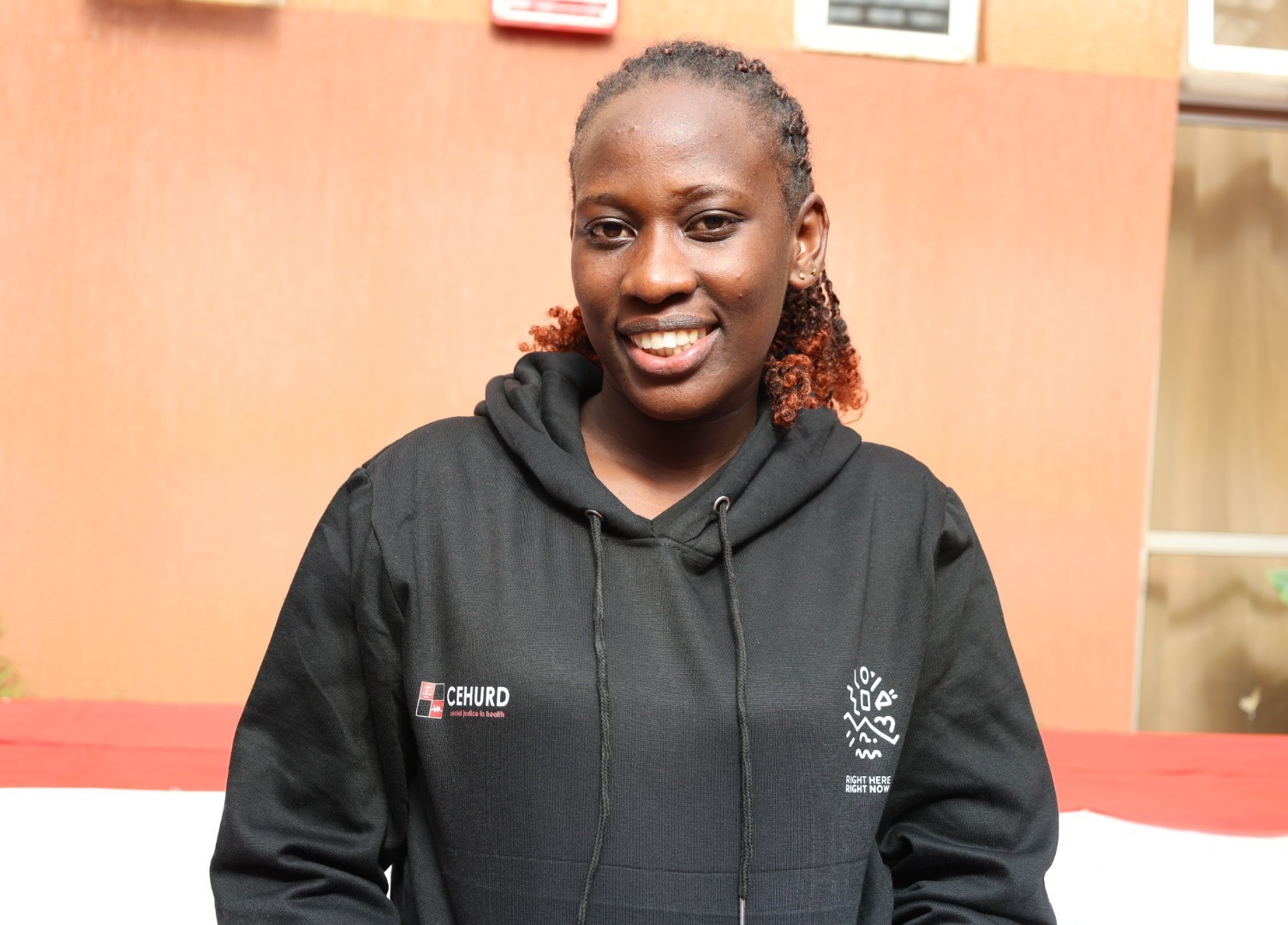
Fatiha Nkoobe, the writer is a Communications Specialist and Activist, working with the Center for Health, Human, and Development.
nkoobefatiha@gmail.com