Reflections on My Internship at CEHURD: A Journey of Learning and Growth

By Shiena SerikawaΒ 

As I write this on my way home from Uganda, I can easily remember the first day of my internship at the Centre of Health, Human Rights and Development (CEHURD). Entering the office extremely nervous, I was surprised that it was half-empty. Later I learned that most of the team was away in the field. This reflects the nature of work at CEHURD which values direct interactions and engagements with communities.

My first day began with a conversation with Jane, one of the lawyers at CEHURD, which I hold dear to my heart to this day. She told me that she strives to fight for the fundamental health and human rights everyone deserves and that the smiles on the faces of community members and the words of thank you after bringing legal services closer to them are more than enough to keepΒ herΒ going. Although my understanding of the work at CEHURD was far from complete at the time, her words inspired me to work with a sense of responsibility and determination.

On the same day, I was told we would be off to a week-long staff retreat in a few days. It was a perfect opportunity for me to interact with everyone at CEHURD, hear about their work in the field, and learn about what CEHURD has done and aims to do in the next ten years. I am so grateful for the warm and welcoming environment I was surrounded with at the staff retreat, and for everyone who taught me how to dance the whole night on the last day of the retreat.

The tight-knit bonds among the staff members go beyond the organization. In one of the stakeholder meetings with healthcare workers I attended as part of the Strategic Litigation (SL) Programme, some of the team members repeatedly emphasized that we are here to learn from healthcare workers on the ground because they face various challenges on a daily basis which we aim to tackle. To ensure we receive insights from every participant in the meeting, papers were distributed and later collected by the team for reference.

Providing legal support for vulnerable populations is unarguably one of CEHURD’s strengths. Yet I realized that the quality of their services is also made possible by the strong bonds of trust with stakeholders including healthcare workers, local authorities, police officers, community health advocates, and others.

Other than attending meetings with stakeholders, my duties at the SL included drafting reports, research papers, and opinion responses to judgments. Through these activities, I got to learn in-depth about how the concepts of equality, discrimination, and rights of women and children are defined in the Constitution of Uganda and how cases of defilement and sexual violence are categorized in a way that undermines the welfare of certain groups of people, particularly adolescent girls above 14, under the current Penal Code Act.

I spent my last two weeks at the Community Empowerment Programme (CEP). The highlight of my time at the CEP is a week-long field trip to one of the districts in Uganda to take part in legal aid clinics and a meeting with district stakeholders. It was full of learning experiences, as I got to delve into the gender- and health-related challenges through the interactions and discussions with community members, stakeholders, and the CEHURD team. The experience underscored the critical role of legal aid clinics and community sensitizations in raising awareness of health and human rights within communities, as they may not know about their rights and find legal services unaffordable and/or inaccessible, according to some of the team members. The conversations with stakeholders and the team shed light on the common issues faced by women and girls in the communities, such as gender-based violence, intimate partner violence, barriers to education and health services, and harmful gender norms.

As someone with an economics background, I wish to touch briefly upon what I witnessed from an economic perspective. Although I discussed them in greater detail in my other post, I explored the economic aspects of the health vulnerabilities among women and girls through field observations, discussions with the team, and relevant literature. One thing that stood out to me is the deep-rooted gender norms, and how they can increase their vulnerabilities through myriad channels. For example, discussions with some of the team members revealed how women may have little control over economic activities, which can confine them in abusive relationships and put them at a higher risk of intimate partner violence. Some issues, such as extra fees illegally charged by healthcare workers and/or police officers and barriers to education among pregnant girls, repeatedly emerged in discussions and meetings with stakeholders. Based on general observations in the field and the conversations with the team and stakeholders, I came to realize that these socioeconomic issues above may not only exacerbate the risk of gender-based violence but also keep the survivors away from reporting and/or seeking treatment.

Throughout my time at CEHURD, I witnessed both the innovative ideas and relentless effort poured into community-based projects and the difficulty sustaining them in the long run. The reasons can range from political and economic situations to the constant need of funds, and they were especially evident following the recent executive and legal actions on foreign aid from the US. Some of the team members revealed the uncertainty around the long-term sustainability of some of their impactful programs. I have heard of and seen organizations that struggle with similar issues of locally driven programs. I sincerely hope their commitment and determination to address structural injustices will be widely recognized and appreciated in and outside the country.

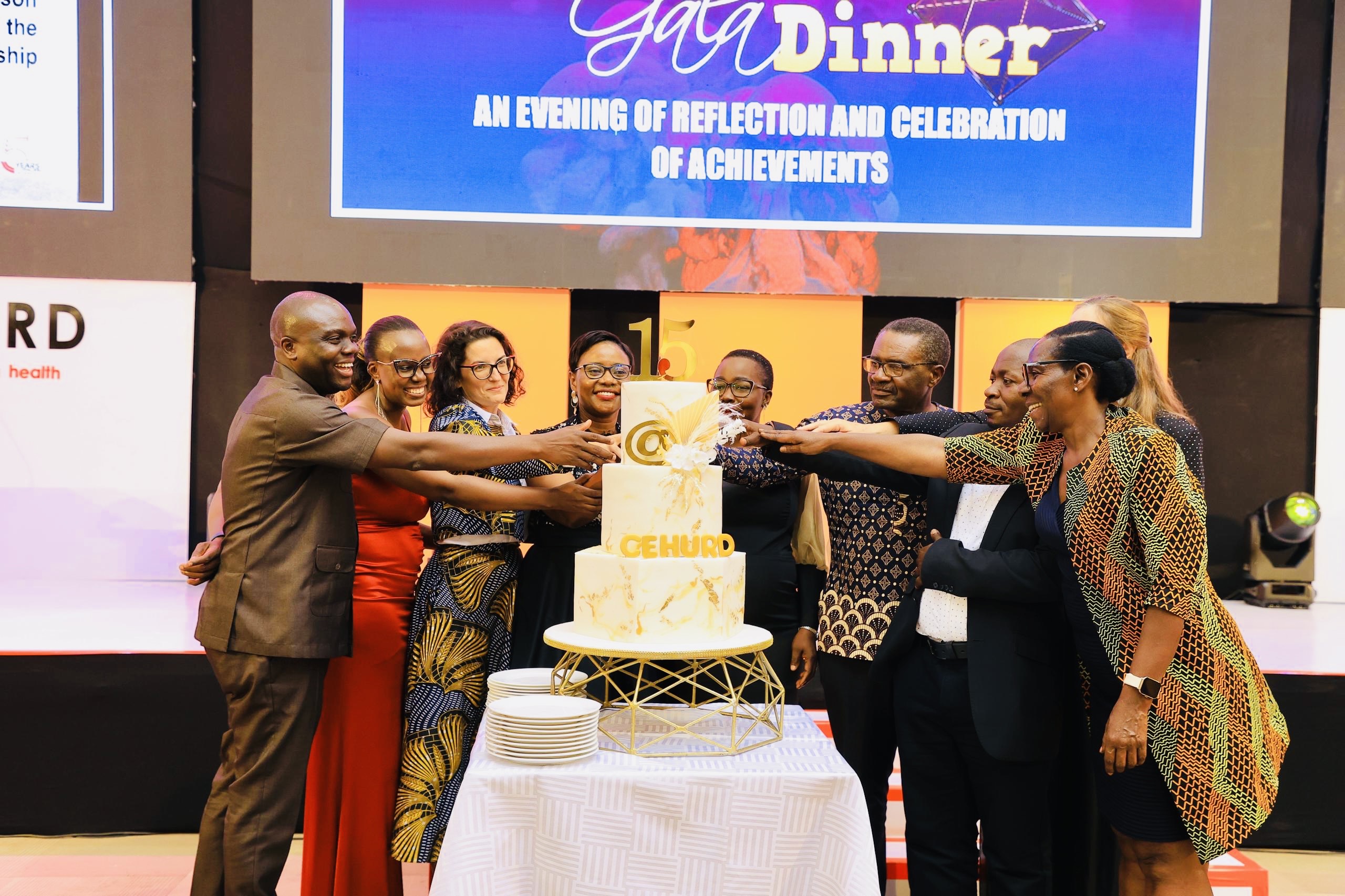
So far, I have gone over my learning experiences at CEHURD. Yet, I cannot wrap it up without mentioning what I miss the most as I write this essay: the people. From the first day to the last day, everyone at CEHURD offered me the most welcoming and warmest environment I could ever ask for. Starting every single day with greetings in Luganda and a cup of African tea made me feel like I had been there for a long time. The list of memorable things goes on, from being splashed with water by a water truck while on boda and laughing about it together, singing a notorious Valentine’s song (if you know, you know), to cutting a cake with my name on it together on my last day. No words can fully express how grateful I am to everyone at CEHURD for their support, warmth, and passion for β€˜equitable health and human rights for all’ that made my time at CEHURD invaluable. I would also like to extend my sincere gratitude to Dr. Miya, Betty, and Edith from The AIDS Support Organization (TASO) Uganda for connecting me with this amazing organization. My experience would not have been possible without the foundation I gained through the research experience at TASO and your continuous support after the program.

Shiena Serikawa is a recent graduate from the University of British Columbia, Canada, with an interest in women’s economic empowerment. She has also been an intern at the Center for Health, Human Rights and Development (CEHURD).

EXTERNAL JOB ADVERT; Finance Officer, Finance Assistant, Monitoring, Evaluation and Learning Officer

Center for Health, Human Rights and Development (CEHURD) is looking for a Finance Officer, Finance Assistant and a Monitoring, Evaluation and Learning Officer.

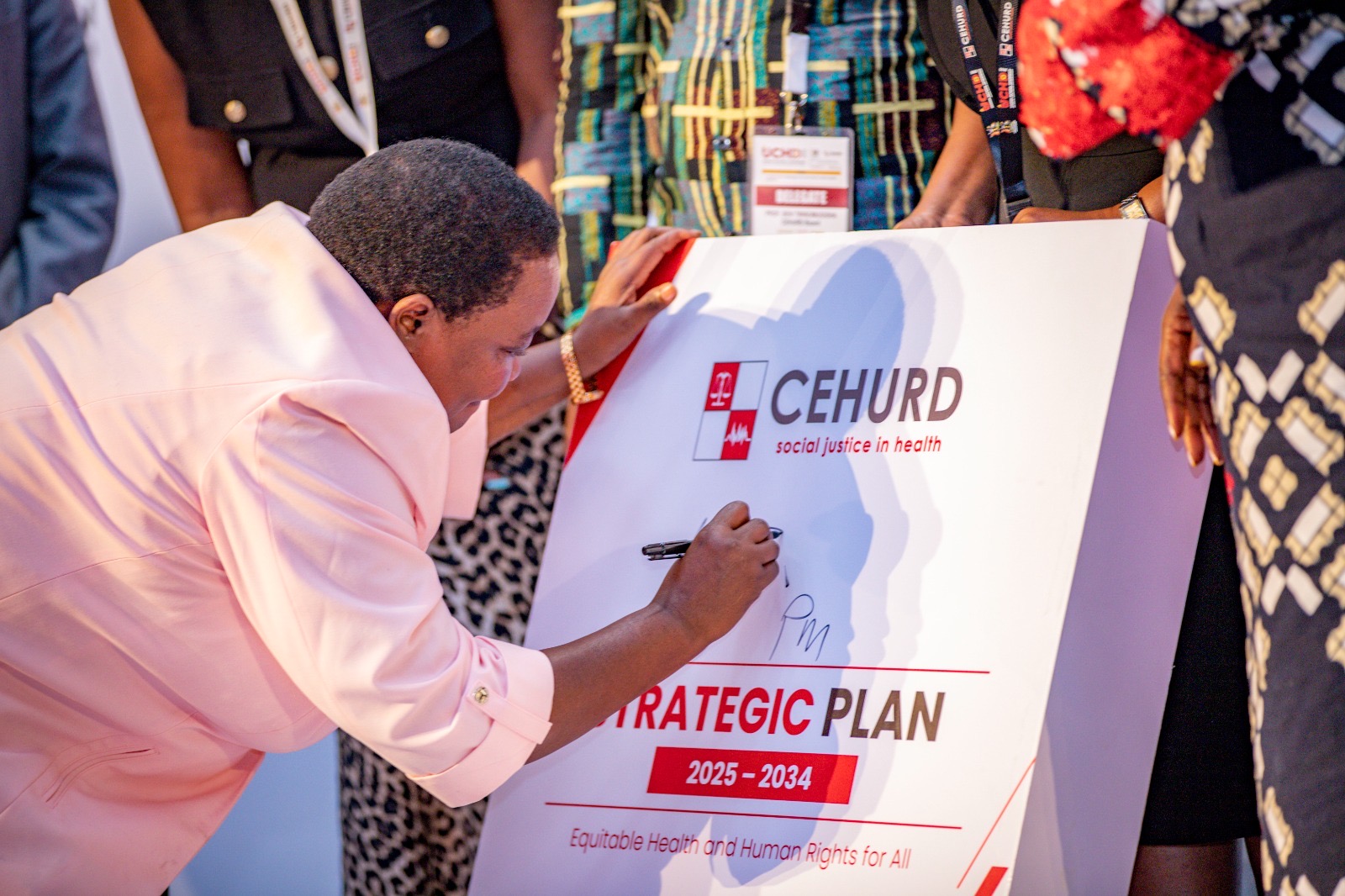
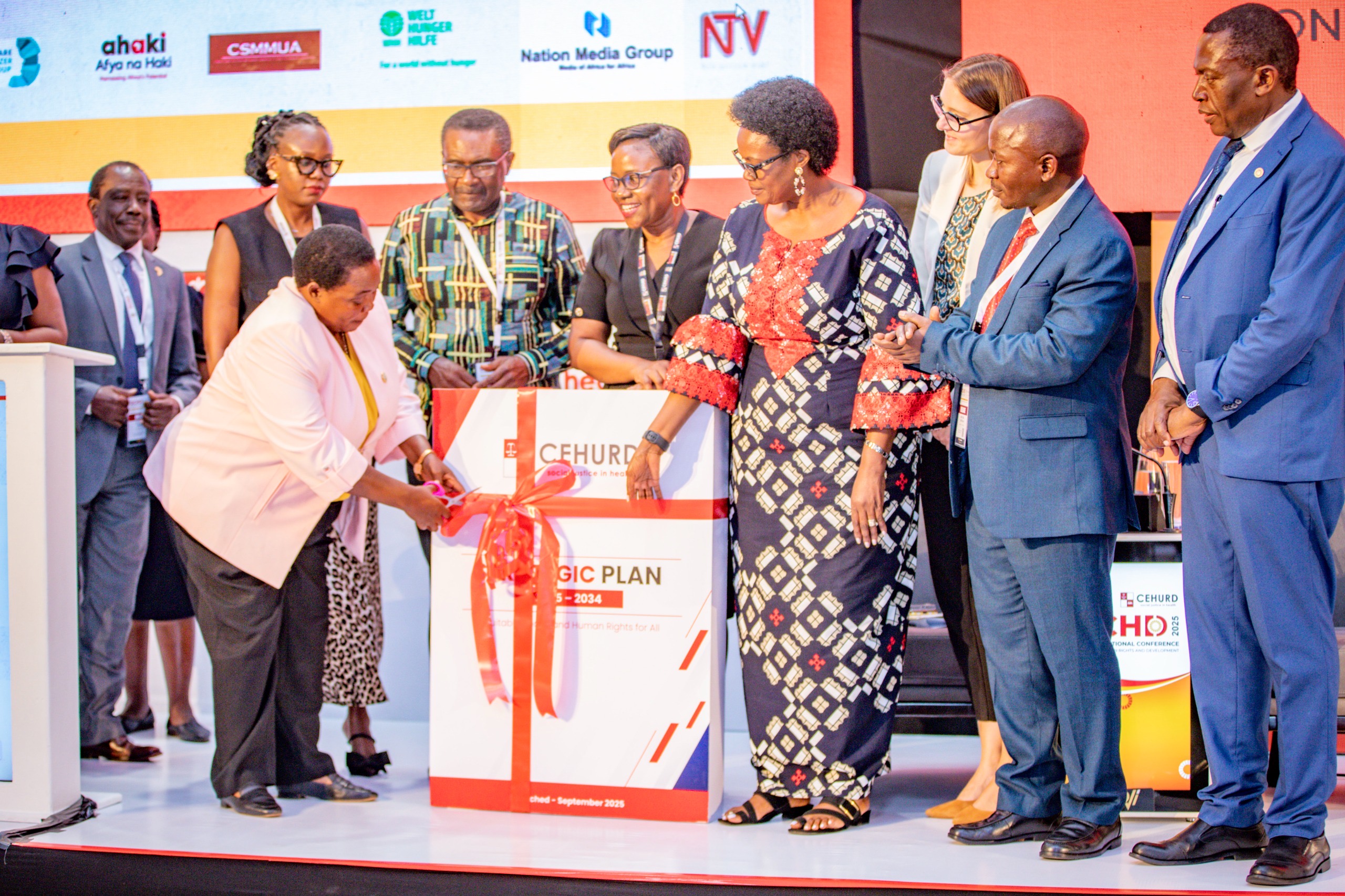
CEHURD is a main stream legal and human rights indigenous organisation in Uganda. We advance health rights of vulnerable communities through litigation, advocacy, research and empowerment with the goal of realising equitable health and human rights for all people. We address social injustices, inequalities and health rights violations in the health system and other sectors which impact health outcomes for women, girls and other vulnerable communities. Our work focuses on Sexual and Reproductive Health & Rights (SRHR), Health Systems Strengthening, Communicable and Non communicable diseases, NTDs, climate justice and environmental health as well as digital transformation. We have just embarked on the implementation of our 10 year strategic plan (2025 – 2034) and know that we have shared goals and objectives with many of you. We invite you to collaborate with us along this journey.

Details; External Job Advert

Access the Job Descriptions below;

The impact of Trump’s Executive Orders on Uganda’s Health System

On 3rd February 2025, CEHURD convened a one-day strategic meeting to examine the implications of President Trump’s orders/policies on Uganda’s health system, (particularly their impact on provision of sexual and reproductive health services, HIV health services) and develop strategies to ensure the health rights of Ugandans remain protected.

This gathering brought together key stakeholders, including civil society organizations (CSOs), health workers, vulnerable communities , and social workers to raise awareness about the effects of these policies, and to ensure that all stakeholders understand their vital roles in safeguarding health rights for all Ugandans. From the #GlobalGagRule (GGR) to PEPFAR funding freezes, these orders have disrupted essential services such as HIV prevention and treatment, contraception, maternal care, and infectious disease management.

Some of the immediate actions taken by Donald Trump’s administration was to reinstate the Mexico City Policy, commonly known as the Global Gag Rule (#GGR), cutting off over $68 billion in foreign aid that supports critical sexual and reproductive health services, HIV/AIDS programs, and infectious disease treatment worldwide. In Uganda, this has led to halted PEPFAR funding, disrupting HIV prevention and treatment services, restrictions on family planning services, affecting access to contraception and maternal care, increased health risks for marginalized populations, including key populations and young girls.

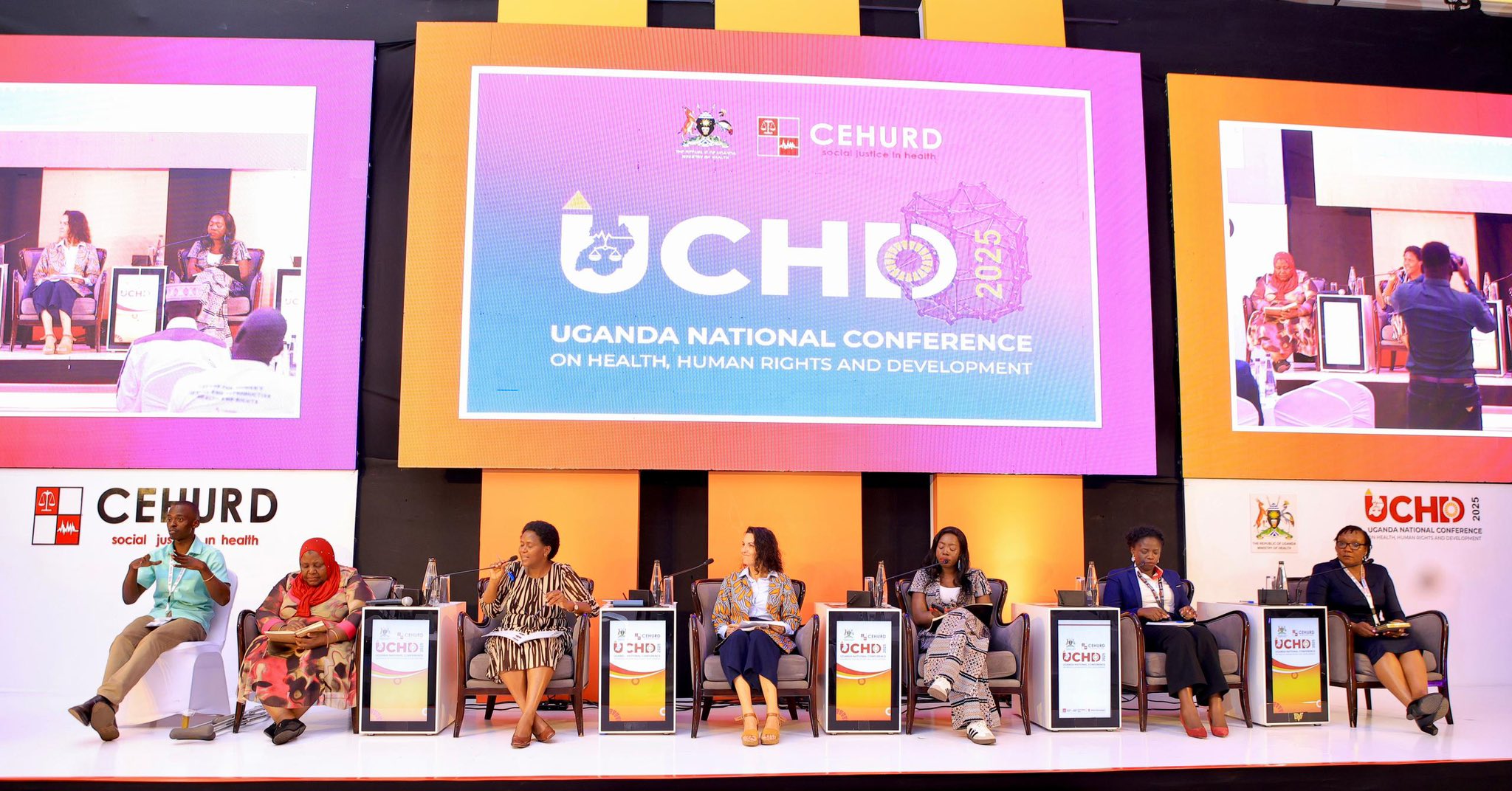
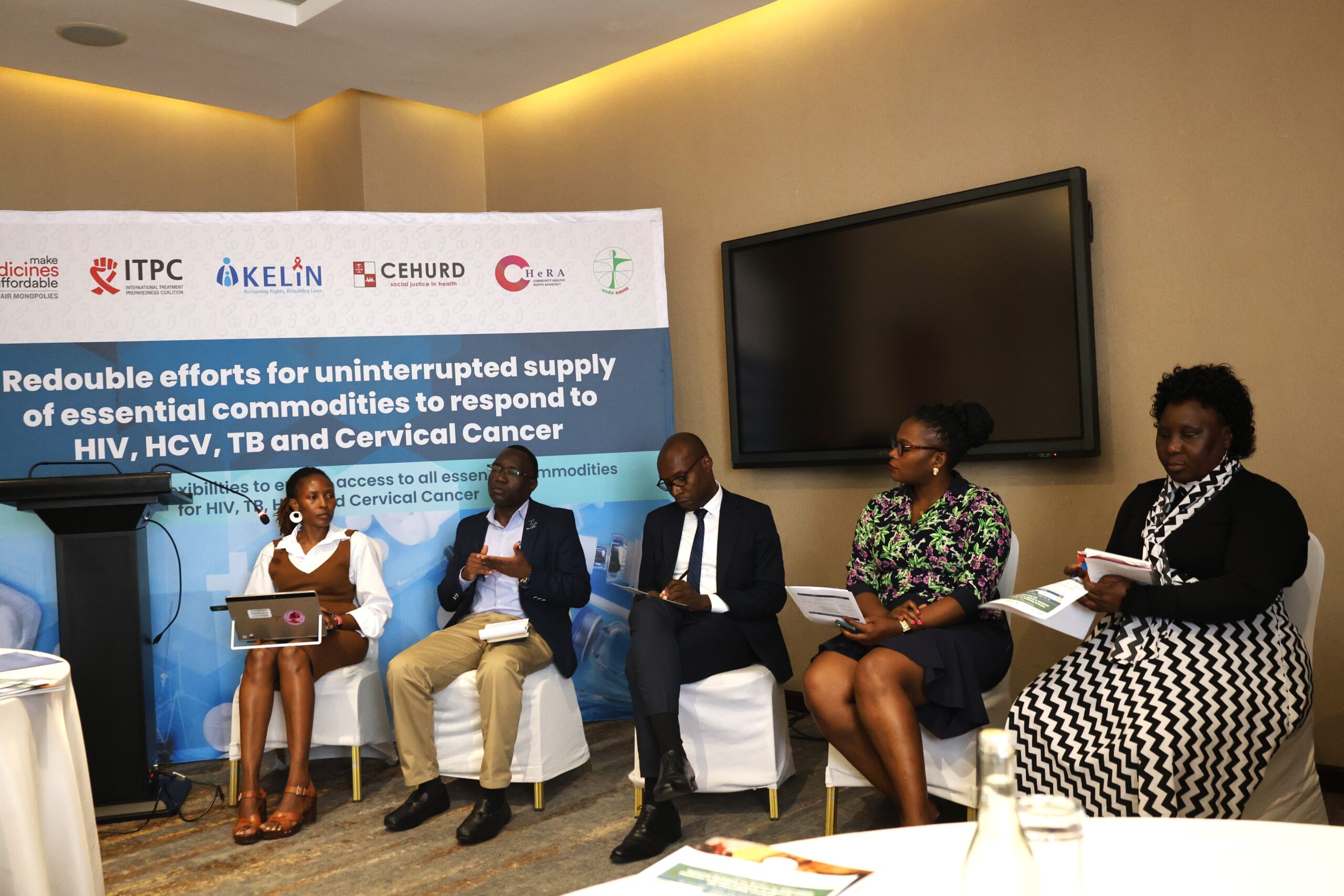
From a panel discussion with representation from different movements, it was clear that Uganda’s health system is under threat. With Trump’s policies disrupting critical health funding, the civil society in Uganda must come together, strategize, and engage the government and relevant ministries to prioritize essential services such as HIV, TB, Malaria, and family planning.

❝Trump’s policies come at a time when our health system is already struggling. What does it mean when life-saving medication is withdrawn, and jobs are lost? Each of these executive orders has a direct or indirect impact on our lives. We risk seeing a rise in gender-based violence, teenage pregnancies, and unsafe abortions. The challenges we faceβ€”both nationally and globallyβ€”demand that we unite, raise a collective voice, and critically ask ourselves: Are we prepared to navigate this reality and hold the government accountable?” ~ @Nakibuukam, Deputy Executive Director, CEHURD, speaking at a CSO strategizing meeting in response to Trump’s executive orders.

❝We have a β€˜People Living with HIV Forum’ in every district, representing the 1.5 million Ugandans living with HIV. The past two weeks have been incredibly difficult since President Trump issued his first executive order halting U.S. government funding for HIV programs. For the past 22 years, the U.S. government has been a major supporter of HIV funding, contributing about 80% of the total budget. Cutting off this support is essentially a death sentence for the 1.3 million people currently on antiretroviral treatment. As people living with HIV and as CSOs, we are devastated and in shockβ€”this decision was abrupt, and many of our centers have already been asked to shut down. Think about the lives at stake – the people affected, drained, and traumatized. Mothers who have just tested positive, those in labor, and countless others now face an uncertain future without adequate care. We need urgent action. Can we increase the health budget? Establish an emergency fund? As CSOs, we must call on the government and Members of Parliament to prioritize communities and take decisive action if we are to achieve our 2030 goal.❞ ~Executive Director NAFOPHANU @FlaviaKyomukamaΒ 

❝We can all learn from the resilience of the HIV communityβ€”we must stand together, work in solidarity across movements, and actively engage our government to invest in our well-being. We need to brace ourselves for challenges ahead before things improve. The Trump administration’s patriarchal and misogynistic approach affects us all. With 97% of key populations relying on funding from @PEPFAR or the @GlobalFund, the impact is devastating. The government must step up to ensure that everyone in need of life-saving commodities can access them without stigma or discrimination.” ~ @richardlusimbo, @UKPC_UG founder, speaking during a panel discussion a CSO panel discussion on the impact of Trump’s executive orders.

❝Living with both a disability and HIV presents a double burden, increasing the risk of mental health struggles for both caregivers and those receiving care. Imagine a woman with a disability raising a child with HIV, unable to access life-saving medication, while also facing job loss. This situation brings about self-stigma, isolation, and, in some cases, even death. HIV does not discriminate based on sexual orientation or any other factor. We must redouble our efforts to drive meaningful, sustainable change.❞ ~ Panel submissions during the CSO strategizing meeting in response to the Trump administration’s orders.

❝As the Network of Young People Living with HIV, we have been implementing several projects under PEPFAR and USAID, working closely with various partners and district networks to support young people living with HIV. However, since last week, we’ve received multiple calls from young people and their guardians reporting that they are unable to access health facilities – many have been shut down, leaving them without essential refills. These restrictions on reproductive health and HIV prevention services will inevitably lead to new infections and reinfections among young people. We risk undoing the progress we have made.” ~ @Riobarbie6| ED @UNYPA1, Panel submission during the CSO strategizing meeting in response to the Trump administration’s orders.

❝The U.S. has played a key role in global public health leadership, supporting numerous health programs. However, our work is now under threat due to executive orders issued at a time when we lack a social contract policy that would allow our government to fund us directly. Programs like BMTCT, where we were on the verge of eliminating mother-to-child transmission, are at risk – without urgent intervention, at least 41 children will face new HIV infections daily. As CSOs, our mandate is rooted in the constitution – we complement government efforts and hold it accountable. Yet, it is concerning that much of our work relies on foreign funding, despite directly contributing to government programs.” ~ @MBKeno |@hepsuganda during a CSO panel discussion on the impact of Trump’s executive orders.

Speakers emphasized the urgent need for government action as health facilities close, refills run out, and essential programs like BMTCT face setbacks – threatening to reverse years of progress.

#WorldCancerDay2025: Be vigilant about unusual changes in your body!

On this #WorldCancerDay, we come together to acknowledge the immense impact of cancer in Uganda and to honor the resilience of those affected. The journey through cancer is unique for each individual, yet a common truth resonates – early detection saves lives.

In Uganda, cervical cancer leads as the primary cause of cancer-related deaths among women, with around 3,915 new cases and 2,160 deaths reported annually. Breast cancer is also escalating, projected to increase by 57.7% by 2030 due to population growth and lifestyle changes.

Children are not spared either, over 3,000 children are diagnosed with cancer each year, but only 25% receive adequate care, resulting in a heartbreaking 70% mortality rate due to late detection. Men face their own challenges, with prostate cancer cases expected to rise by 33.4% by 2030.

CEHURD remains steadfast in advocating for equitable health services including accessible and affordable cancer care. Through health education, cervical cancer screening initiatives, and policy advocacy, we strive to empower communities with knowledge and push for systemic changes that prioritize prevention, early detection/regular screening, affordable treatment and investment in palliative services.

We recognize the significant role The Uganda Cancer Institute (UCI) plays in treatment and research, the establishment of regional cancer centers aimed at decentralizing care and the acquisition of advanced radiotherapy machines are steps in the right direction. However, the statistics are sobering, the journey towards a cancer-free future is still on and requires collective action.

#UnitedByUnique, we commit to creating a world where dignity and hope prevail for all those affected by cancer.

A Lifeline of Hope: How a Paralegal and District Human Rights Committee Transformed BL’s Journey to Health and Empowerment

Note: The name BL has been used as a pseudonym to maintain confidentiality

Β BL, a 20-year-old resident of Oryang village in Oryang Parish (Kitgum Matidi Sub-county) in Kitgum District, has faced significant health and social challenges throughout her young life. She was diagnosed with HIV at an early age, and was also a survivor of nodding disease, which created additional health related complications and stigma. Her already challenging situation worsened when a relative who initially provided her with support and shelter abandoned her, leaving her without a home, food, or any form of support. BL’s life became a constant struggle, filled with despair as she had no access to essential healthcare, basic needs, or community support. She was effectively homeless and lacked the resources or hope to pursue treatment or rebuild her life.

During a mobile legal aid camp organized by CEHURD under the β€œSupporting Uganda’s HIV and TB Reduction Strategic Plans” project funded by The AIDS Support Organization (TASO), BL’s case was brought to the attention of Legal Aid officers and trained paralegals skilled in Alternative Dispute Resolution methods. Recognizing her need for immediate assistance and health support, the community paralegal promptly stepped in to help in offering counselling and referral to the District Human Rights Committee for further assistance. The paralegal further supported her in accessing critical HIV treatment at Kitgum General Hospital, where she was officially enrolled on a treatment program

Recognizing the need for ongoing support, the District Human Rights Committee, also trained by CEHURD in human rights through capacity-building workshops, took further action to support BL’s long-term well-being. They arranged for her to have a caretaker and secured her enrollment in a three-month skills development program under the district’s skilling program by MUJHU (Makerere University-Johns Hopkins University) Research Collaboration. This support has not only improved her health but also empowered her with skills to contribute to her livelihood, providing her with a sustainable path to a better future. CEHURD’s intervention provided BL with a renewed sense of hope. We believe that one’s HIV status should not be a reason for violation of their rights. We encourage integration of people living with HIV into available programmes for the benefit of us all.